Program
Bella Miah
Adam Fischer
Miah Persson
Ludwig van Beethoven (1770–1827)
Coriolan, overture, Op. 62 (1807) 8'
Béla Bartók (1881–1945)
The Miraculous Mandarin, suite, Op. 19 (1918–1924 / 1927) 19'
- Introduction - The Three Tramps an the Girl
First Decoy Game: The Old Rake
Second Decoy Game: The Young Boy
Third Decoy Game: The Mandarin Appears
The Girl Begins to Dance for the Mandarin
The Mandarin Chases the Girl
Wolfgang Amadeus Mozart (1756–1791)
"Bella mia fiamma, addio - Resta, oh cara", concert aria KV 528 (1787) 9'
Joseph Haydn (1732–1809)
Scena di Berenice (1795) 12'
Joseph Haydn (1732–1809)
Symphony No. 103 in E Flat Major "Drumroll" (1795) 29'
- Adagio - Allegro con spirito
Andante più tosto allegretto
Menuet
Finale: Allegro con spirito


Shh… Please remember to silence your mobile phone.
Photographs may be taken before the concert begins and during the applause.
Program notes
Ludwig van Beethoven (1770–1827)
Music for the stage was a recurring bother for Ludwig van Beethoven (1770–1827). He tinkered with his opera Fidelio (1814) for a long time and was never really satisfied with it. He even wrote four overtures for it before he could let it go. His incidental music for the plays Egmont (1810), The Ruins of Athens (1811) and The Consecration of the House (1822) is very much not performed these days – except for their overtures. Perhaps Beethoven simply did not want to sprinkle his drama into interludes across the production in service of the text; indeed, his overtures are like tone poems with a coherent dramatic arc.
The concert overture Coriolan (1807) was inspired by the play of that name by Heinrich Joseph von Collin. It tells the story of Caius Marcus Coriolanus, a Roman nobleman who falls into disfavour with the public. Embittered, he flees Rome, only to return at the head of a foreign occupying force to capture the city. In William Shakespeare’s play on the subject, he is murdered at the end, but in Collin’s version he commits suicide after realising that he is unable to deny his mother’s and wife’s pleas to lay down his weapons. At the time, Coriolanus was understood to represent Napoleon, who was only just beginning his campaigns of conquest.
Beethoven does not underscore plot developments with unambiguous effects in the way that someone like Richard Strauss would do in his tone poems a century later. Nevertheless, the main subject can be understood as representing Coriolanus’s pride and wrath, while the melodic major-key second subject frames the peaceful and tender female figures.
Béla Bartók (1881–1945)
Wolfgang Amadeus Mozart (1756–1791)
In October 1787, W.A. Mozart (1756–1791) arrived in Prague to oversee preparations for the premiere of his opera Don Giovanni. He lodged at a villa outside the city, owned by composer František Dušek and his wife, soprano Josefína Dušková. Mozart had promised Dušková a concert aria setting the text ‘Bella mia fiamma’ from Niccolò Jommelli’s opera Cerere Placata (1772). As the aria failed to materialise, Dušková eventually locked Mozart in his room until he fulfilled the promise. Mozart got to work but issued a counter-demand: if Dušková could not correctly sight-read the various traps written into the aria, he would rip up the score. Dušková passed with flying colours, and Mozart entered the aria in his catalogue of works five days after the first night of Don Giovanni.
This origin story was recorded by Mozart’s son Karl Thomas in 1856, and there is not a single fact to corroborate it apart from the completion date. It is nevertheless plausible that Mozart would write an aria specifically for a star soprano like Duškova, who would revel in the chromatic slides and daring leaps expressing despair and sorrow. However, there is no feasible explanation as to why Duškova would have desired an aria based on a little-known opera – and one that was originally written for a male character, at that.
In the aria, Titano, King of ancient Iberia, bids a bittersweet farewell to his beloved Proserpina, who is the daughter of Cere, Queen of Sicily. Cere condemned Titano to death for daring to propose marriage to her daughter.
Joseph Haydn (1732–1809)
Joseph Haydn (1732–1809) became famous across Europe despite being in the practically exclusive employment of the court orchestra of Prince Esterházy of Hungary for nearly 30 years. Immediately after leaving this position in 1790, Haydn received a flood of commissions from around the continent and a personal invitation to visit London, where he was met with a hero’s reception and an honorary doctorate from the University of Oxford.
Because orchestras in England were bigger, better and more diverse than in Vienna, and the public more receptive, Haydn was able to give his creativity free rein with no practical limitations. On his two visits to London, he produced his last 12 symphonies, the opera L’anima del filosofo, several concertos and piano pieces. He wrote the concert aria Scena di Berenice (1795) as a dramatic virtuoso vehicle for star soprano Brigida Banti, who had settled in London. Although Haydn criticised Banti’s performance as “lacking” in his diary, he was evidently pleased with the concert and with the piece itself. He conducted a performance of the aria again in Vienna in 1803; he praised the voice of Anna Milder, who performed it on that occasion, as being “as large as a house”.
The text of the scene comes from a Metastasio libretto, Antigono, specifically from Act III. Berenice has been betrothed to Antigono, although she is actually in love with his son Demetrio. Faithful to his father, Demetrio has broken down under the moral conflict and resolves to kill himself. Desperate, Berenice feverishly bemoans her fate and longs for death alongside her beloved.
Joseph Haydn (1732–1809)
The symphony is regarded as the championship genre of art music, the creating of a large-scale architecture that can only be imbued with the appropriate symmetry and internal logic by consummate masters. This is a romantic notion: as early as in the first half of the 18th century, a ‘sinfonia’ was mostly just an opera overture, a medley or mishmash of the principal tunes to be featured in the opera itself. It was not until Joseph Haydn that the symphony evolved into an independent, multi-movement concert work; and even Haydn paid no mind to symphonic unity, unlike his pupil Beethoven, let alone Sibelius a century later.
Haydn’s most popular symphonies have been given subtitles, rather like hashtags; after all, Haydn himself considered these pieces essentially disposable and never numbered them himself. He wrote a dozen symphonies in E flat major, such as The Philosopher (No. 22), The Schoolmaster (No. 55) and In Nomine Domini (No. 84). The Symphony in E flat major that he completed in London in 1795 was given the number 103 and the subtitle ‘Drum roll’ by posterity, because it opens with an effect that was startling to contemporary listeners.
After the drum roll, the four-movement work begins with a theme that resembles the Dies irae chant and a subterranean introduction, followed by the brisk main body of the movement. At the end, the music takes a surprising turn back to the drum roll. The second movement is a set of variations on two alternating themes. The third movement is a Ländler whose trio features clarinets, a novelty instrument for Haydn. In the finale, a horn theme propels the orchestra to a sporting final dash.
Tab Content
Artists
Adam Fischer
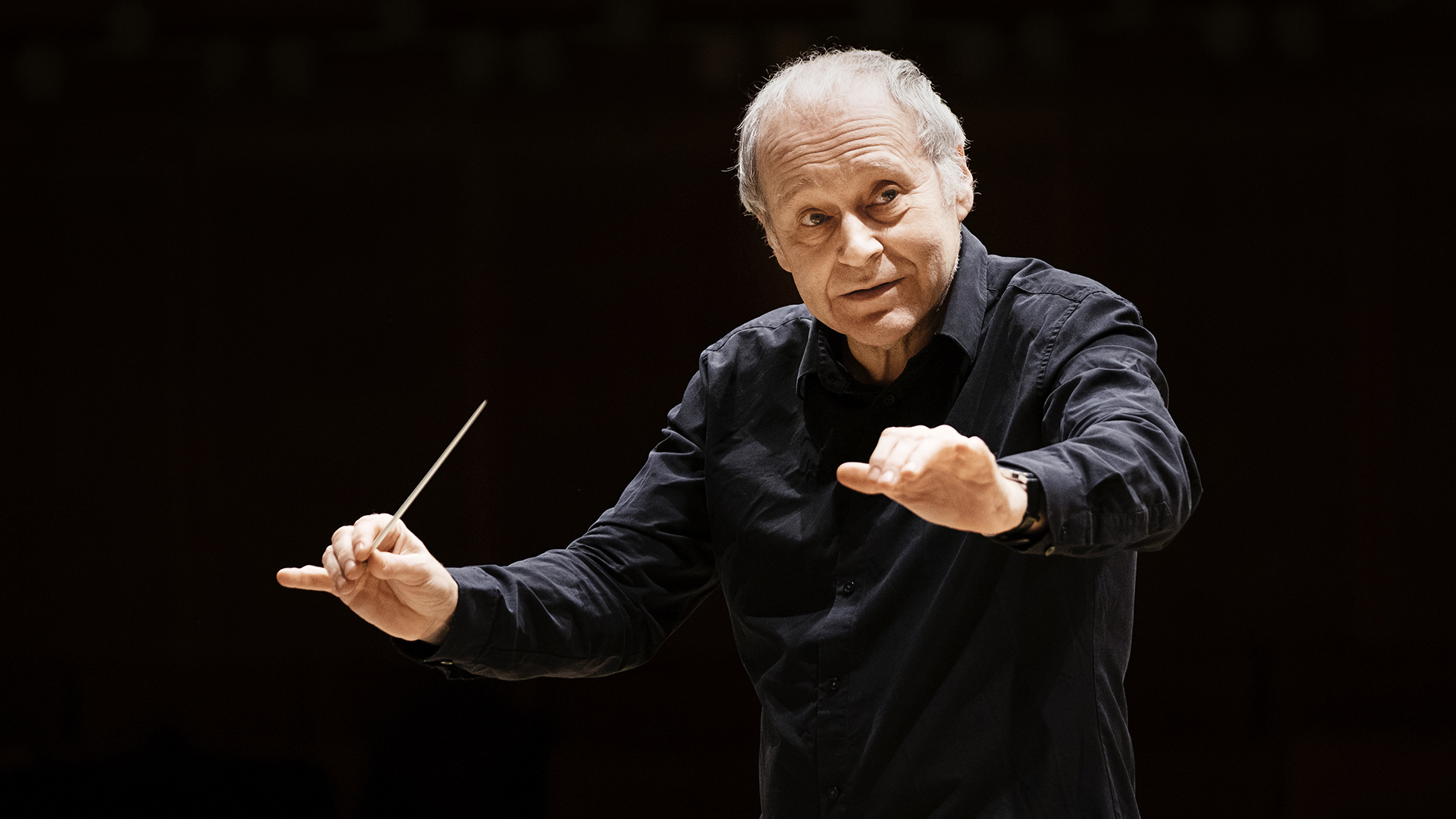
Adam Fischer (b. 1949) is one of today’s leading conductors and a committed advocate for human rights and democracy. Since 1998, he has served as Chief Conductor of the Danish Chamber Orchestra, with which he has recorded the complete Mozart, Beethoven and Brahms symphonies and, most recently, Haydn’s Paris and London symphonies.
Fischer’s international breakthrough came in 1978 when he stepped in for Karl Böhm to conduct Fidelio at the Bavarian State Opera. Since then, he has appeared at many of the world’s leading opera houses and has maintained particularly close ties with the Vienna State Opera, where he is an Honorary Member.
In 1987, Fischer founded the Austrian-Hungarian Haydn Philharmonie. He is also Artistic Director of the Budapest Wagner Days. Recent engagements have included the Orchestra of the Age of Enlightenment, the Vienna Philharmonic and the Mahler Chamber Orchestra
Miah Persson
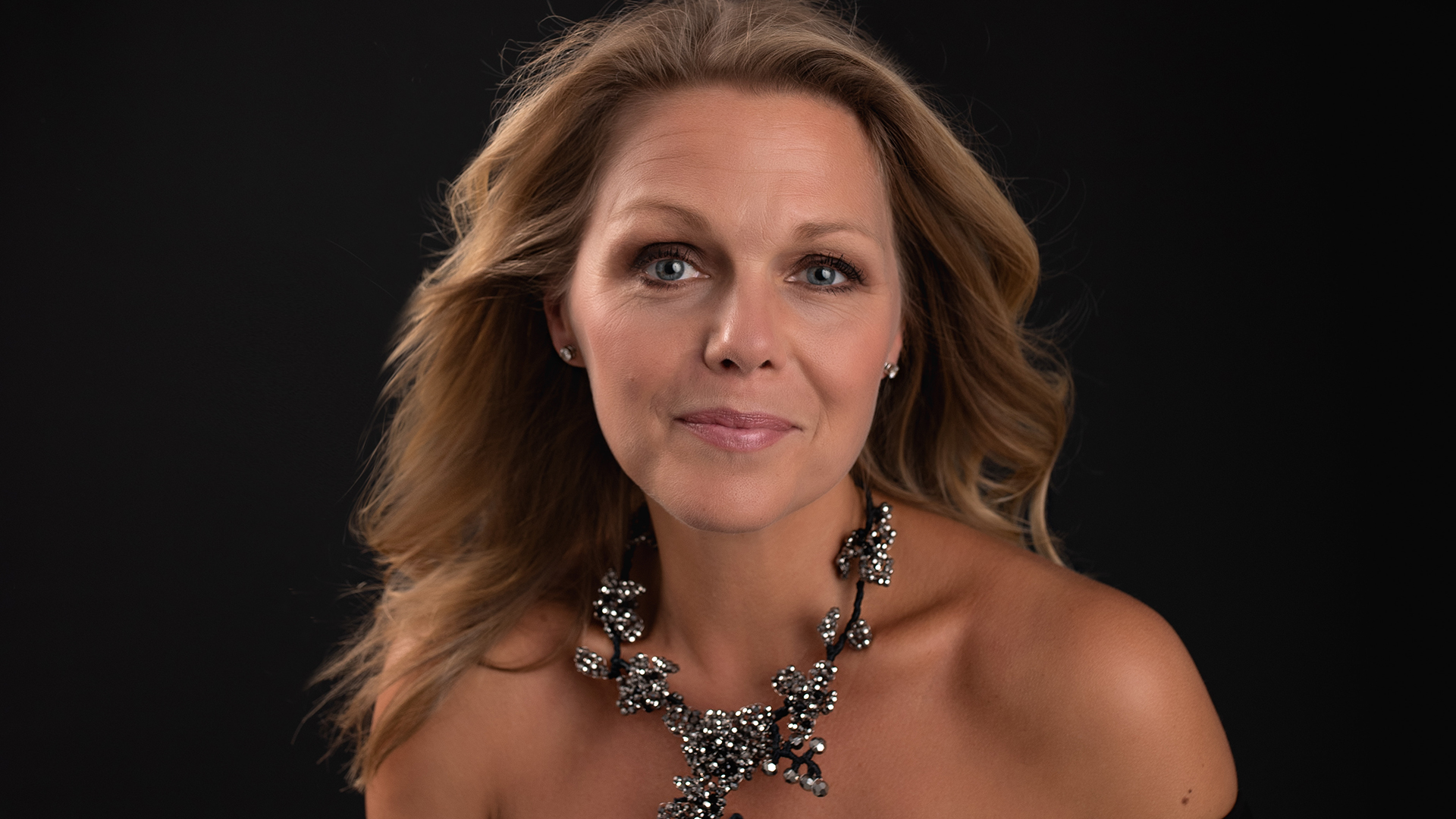
Swedish soprano Miah Persson (b. 1969) is internationally renowned for her interpretations of Mozart roles and has appeared at many of the world’s leading opera houses. She made her operatic debut as Susanna in Le nozze di Figaro in 1998 and subsequently joined the ensemble of the Royal Swedish Opera. Her international breakthrough came in 2000 with the title role in Alessandro Scarlatti’s Griselda at the Berlin State Opera.
Persson made her Metropolitan Opera debut in 2009 and has since appeared there as Fiordiligi in Così fan tutte, Gretel in Hänsel und Gretel and Pamina in Die Zauberflöte. Other career highlights include Zerlina in Don Giovanni at Covent Garden, the title role in Monteverdi’s L’Incoronazione di Poppea and the Governess in Britten’s The Turn of the Screw at La Scala, as well as numerous appearances at the Vienna State Opera, Glyndebourne Festival Opera, Théâtre des Champs-Élysées, Hamburg State Opera and Bavarian State Opera.
In 2011, Persson was appointed Hovsångerska (Court Singer) by the King of Sweden.
Helsinki Philharmonic Orchestra
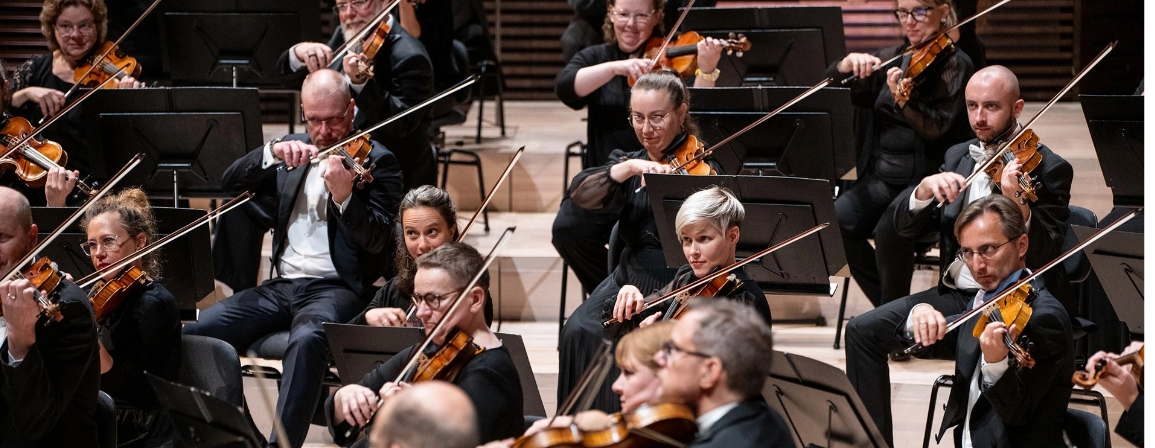
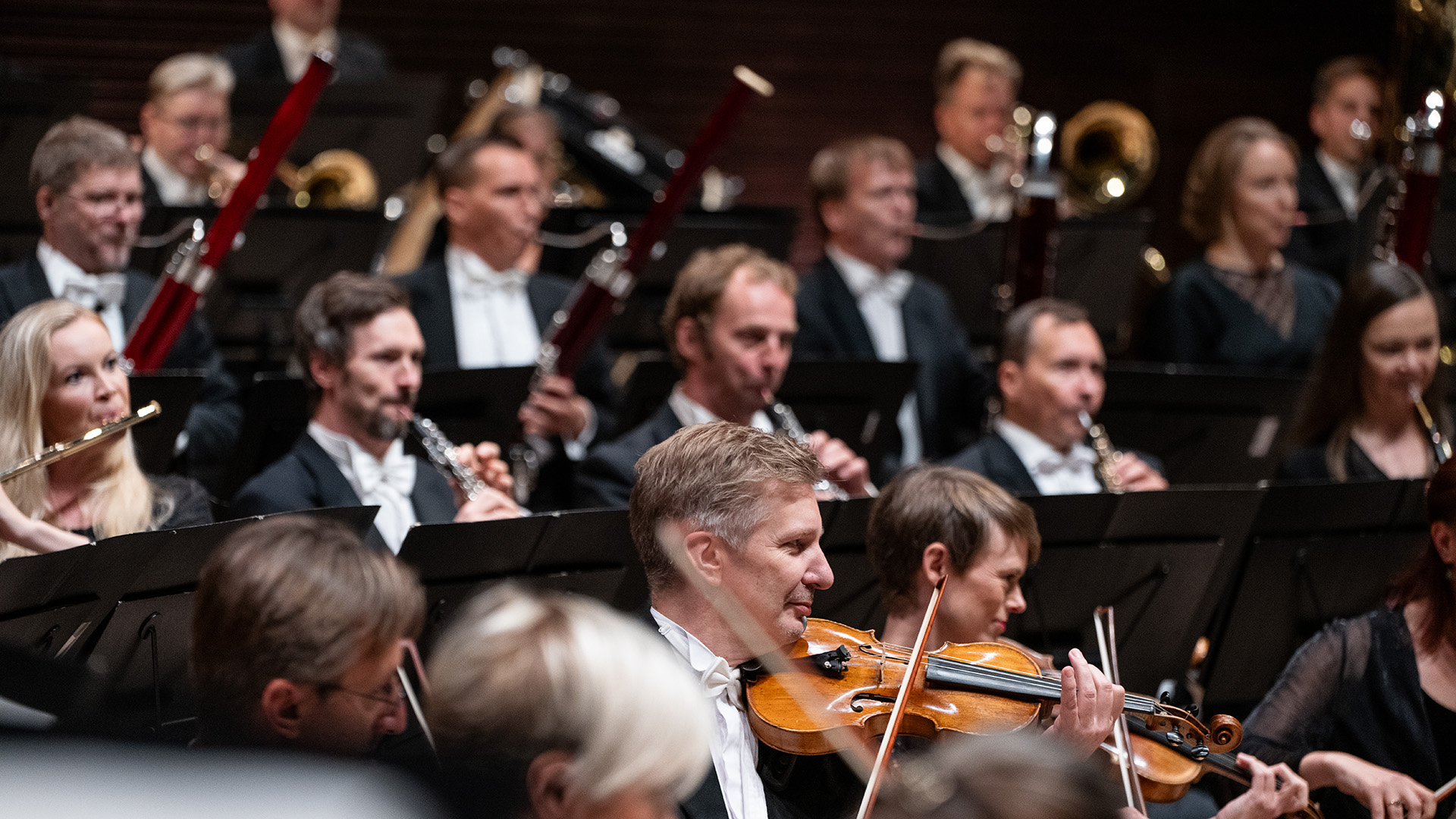
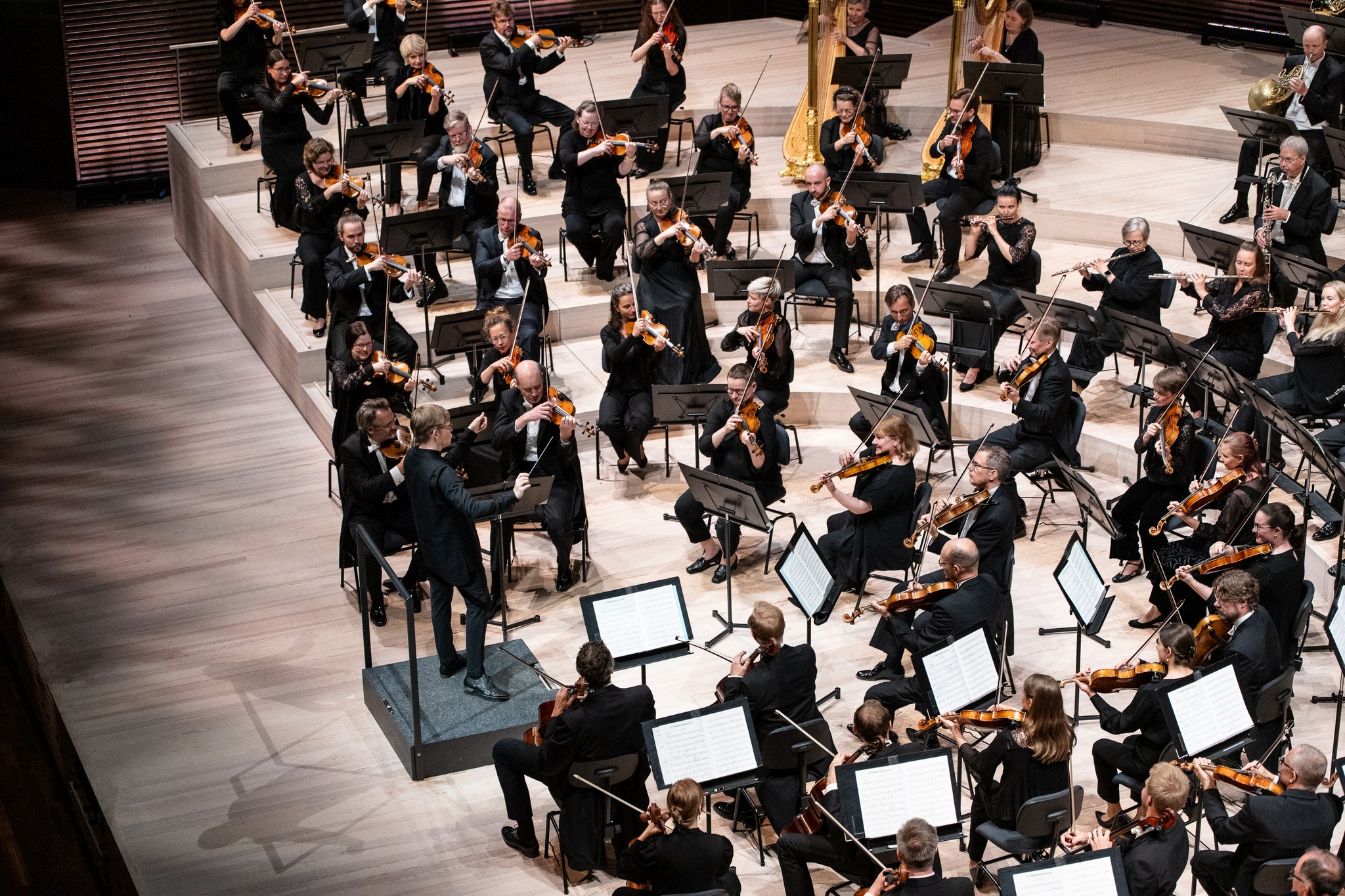
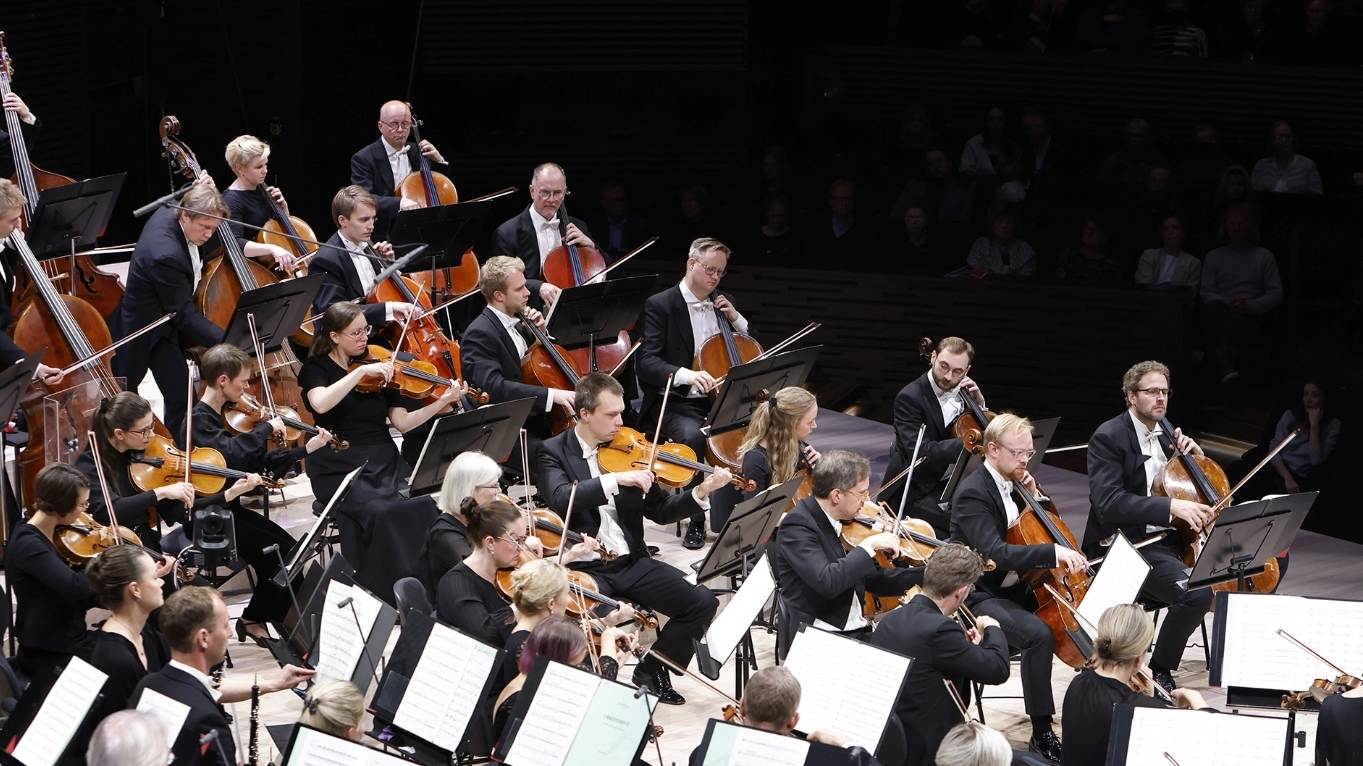
The principle of putting on regular concerts given by an orchestra of top musicians has remained right up to the present day in the over 140 years since the Helsinki Philharmonic Orchestra was formed. It premiered most of the symphonic works by Jean Sibelius with the composer himself conducting, and continues its commitment to contemporary music by commissioning works by composers both Finnish and foreign.
Now a band of 102 musicians, the Helsinki Philharmonic Orchestra annually performs to a total audience of over 110,000 and has become an important constituent of its host city’s cultural capital. It also reaches people who for one reason or another cannot attend concerts at the Helsinki Music Centre, for in addition to making international tours, it sends small ensembles out across the city, provides opportunities for young people to perform and, through its active education programme, is able to make contact with special groups. For the third time it invited an entire age group – this time all the children born in Helsinki in 2020 – to enjoy music with their families over the next seven years as members of the HPO Kids -program.
Now a band of 102 musicians, the Helsinki Philharmonic Orchestra annually performs to a total audience of over 110,000.
The HKO Screen concerts and background interviews screened live or recorded on the Internet makes the process of creating a piece of music even more readily accessible.
The orchestra has a three-member Artistic Leadership Team, which comprises Chief Conductor and Artistic Director Jukka-Pekka Saraste, Principal Guest Conductor and Artistic Co-director Pekka Kuusisto and Composer-in-Residence Anna Thorvaldsdottir.
- Kreeta-Julia Heikkilä
Lotus Tinat
Kari Olamaa
Katariina Jämsä
Maiju Kauppinen
Helmi Kuusi
Elina Lehto
Ilkka Lehtonen
Jani Lehtonen
Petri Päivärinne
Kalinka Pirinen
Satu Savioja
Elina Viitasaari
Lina Leikola
Anna Tanskanen
Sayaka Kinoshiro
Kamran Omarli
Siljamari Heikinheimo
Teija Kivinen
Teppo Ali-Mattila
Eva Ballaz
Heini Eklund
Serguei Gonzalez Pavlova
Linda Hedlund
Siiri Rasta
Ángeles Salas Salas
David Seixas
Virpi Taskila
Ji Won Kim
Tuuli Talvitie
Atte Kilpeläinen
Lotta Poijärvi
Petteri Poijärvi
Aulikki Haahti-Turunen
Kaarina Ikonen
Tiila Kangas
Carmen Moggach
Liisa Orava
Mariette Reefman
Markus Sallinen
Hajnalka Standi-Pulakka
Caleb Wright
Lauri Kankkunen
Tuomas Ylinen
Beata Antikainen
Jaani Helander
Mathias Hortling
Saara Särkimäki
Hans Schröck
Pekka Smolander
Johannes Välja
Sami Mäkelä
Ville Väätäinen
Oskari Hänninen
Svenja Dose
Paul Aksman
Eero Ignatius
Tuomo Matero
Joshua Baker
Iikka Järvi
Niamh McKenna
Elina Raijas
Jenny Villanen
Hannu Perttilä
Jussi Jaatinen
Paula Malmivaara
Samuel Buron-Mousseau
Anna-Maija Korsimaa
Clara Riccucci
Markus Tuukkanen
Janne Pulkkinen
Erkki Suomalainen
- Ruben Buils Garcia
Miska Miettunen
Joonas Seppelin
Vilma Peltonen
- Thomas Bugnot
Obin Meurin
Michael Olsen
- Valtteri Malmivirta
Francisco Couto
Anu Fagerström
Ilkka Marttila
- Tomi Wikström
Xavi Castelló Aràndiga
Mikael Sandström
Pasi Suomalainen
Aleksi Haapaniemi
Sampo Kuusisto
- Anni Kuusimäki
- Fanny Söderström (piano)
Minnaleena Jankko (celesta)
Jan Lehtola (organ)
- Mikko Aspinen
- Matti Tähkävuori
- Peetu Hänninen
More musical energy
Petrushka
HKO screen #HKOSCREEN
Direct broadcast 11/11/2026 19:00
helsinginkaupunginorkesteri.fi | Helsinkikanava.fi
Production
Programme notes
Translations
Artist bios
Fotos
Contact details
www.helsinginkaupunginorkesteri.fi
helsinki.philharmonic@hel.fi
Helsingin kaupunginorkesteri
Musiikkitalo, Mannerheimintie 13 A, Helsinki
PL 10403, 00099 Helsingin kaupunki