Program
Der Ring ohne Worte
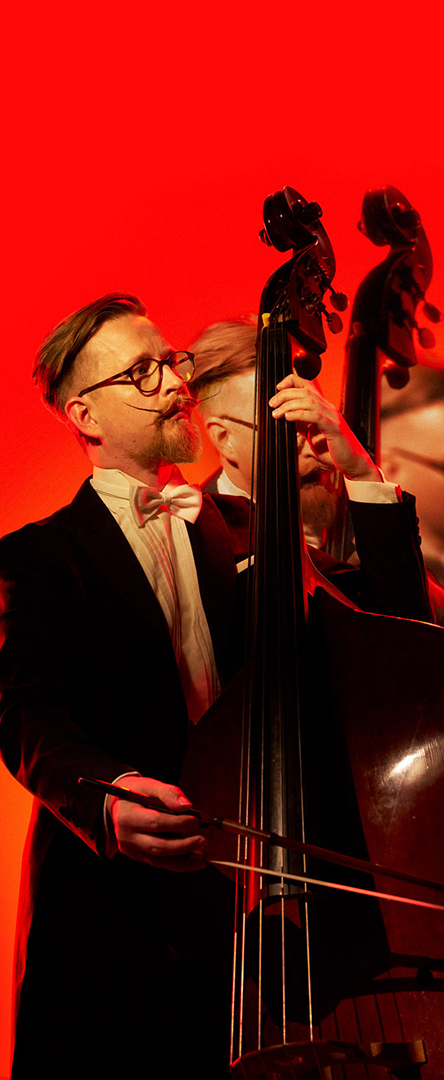
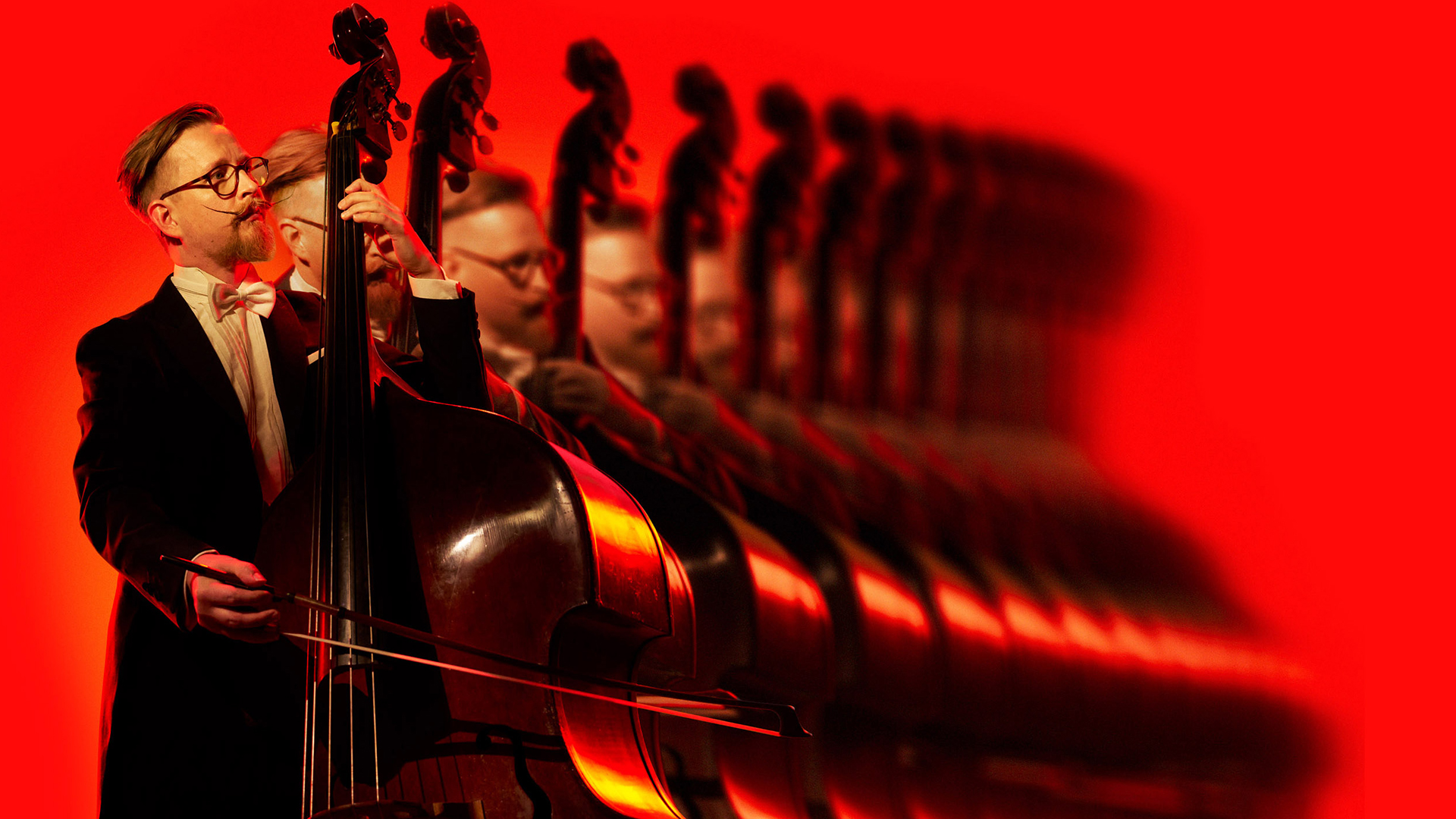
Susanna Mälkki
Richard Wagner (1813–1883)
Der Ring ohne Worte (arr. Lorin Maazel) (1853–1874) 73'
- Das Rheingold
- "Grünliche Dämmerung" am Grunde des Rheins
- Einzug der Götter in Walhall
- Schmiedende Zwerge
- Donners Hammerschlag
- Die Walküre
- Siegmund und Sieglinde
- Siegmund's "teilnahmsvoller Blick"
- Wotans "furchtbare Wut"
- Walkürenritt
- Wotans Abschied und Feuerzauber
- Siegfried
- Mimes angsterfülltes Zittern
- Siegfried schmiedet das magische Schwert
- Waldweben
- Siegfried erschlägt den Drachen
- Fafners Klagelied
- Götterdämmerung
- Morgendämmerung - Siegfried und Brünnhilde
- Siegfrieds Rheinfahrt
- Hagen ruf die Mannen
- Siegfried und die Rheintöchter
- Siegfrieds Tod und Trauermarsch
- Brünnhildes Opfer und Erlösunga


Shh… Please remember to silence your mobile phone.
Photographs may be taken before the concert begins and during the applause.
Program notes
Richard Wagner (1813–1883)
In 1849, Richard Wagner (1813–1883) came to a turning point in his career. On the one hand, he had been forced into exile after having sided with the rebels in the May Uprising in Dresden. On the other hand, he had just completed his opera Lohengrin (1848), a continuation of, yet also for him the endpoint of, the Romantic number opera tradition. He began contemplating a completely new genre of performing art that would integrate poetry, drama, fine art and music into a single comprehensive artwork or Gesamtkunstwerk. This concept eventually became reality in 1874 with the premiere of the four-evening opera extravaganza Der Ring des Nibelungen at a festival theatre that Wagner had had built at Bayreuth specifically for performances of his operas.
The libretto, written by Wagner himself, is derived from mythological sources: the early Medieval German Nibelungenlied and the ancient Scandinavian Edda. It features dozens of characters, convoluted relationships both familial and romantic, complicated plots, mythical creatures and gods. There is symbolism, there is allegory. In a nutshell: A ring fashioned from the Rhinegold gives its owner unlimited power, but it is cursed by its creator, Alberich. Wotan, the chief of the gods, gives the Ring as payment to the giants who built Valhalla, the abode of the gods. Siegfried manages to acquire the Ring but is betrayed. His beloved, Brünnhilde, understands that lust for power has corrupted gods and humans alike. She returns the Ring to the Rhinemaidens and sets Valhalla on fire as she joins Siegfried on the funeral pyre. The old world order is destroyed so that a new one can begin.
To make it easier to follow the narrative, Wagner developed what is known as the ‘Leitmotif technique’. Each major character (such as Siegfried and the Valkyries), item (sword, fire, the Ring) or other element (love, death, the Rhine river) has an easily identifiable signature tune that always accompanies it. Like a narrator’s voiceover, the Leitmotifs bind the plot and the music together.
Wagner only wrote one symphony, a youthful Beethoven pastiche that is conspicuous by its absence from concert programmes. Der Ring ohne Worte (1987), compiled by conductor Lorin Maazel (1930–2014), seeks to fill the gap. It is an orchestral suite that condenses the 15 hours of Wagner’s mature musical idiom in the Ring cycle into a work of a suitable duration for concert performance. It was commissioned by the Telarc record label, and thus it was absolutely obligatory that it should clock in at under 75 minutes in order to fit on one CD. Despite this limitation, the suite manages to cover all the major Leitmotifs and scenes in the Ring cycle without altering the original music, except for a couple of vocal melodies taken over by wind instruments.
The journey of the Ring begins in the depths of the Rhine river. Rising towards the surface, the music eventually ascends to Valhalla, the domain of the gods. Alberich, ruler of the dwarves, causes the Ring to be forged, accompanied by storm and lightning. A clash of cymbals sparks off the events of Die Walküre: Siegmund and Sieglinde, siblings separated at birth, fall in love and surrender to passion. Having discovered their offence, they flee from their father, the god Wotan. The famous ‘Ride of the Valkyries’ introduces Brünnhilde, who defies Wotan by defending Siegmund. Wotan punishes Brünnhilde by turning her into a mortal and putting her to sleep surrounded by a ring of fire. The magic could only be dispelled by a completely fearless hero penetrating the fire.
The third opera is Siegfried, whose title character is being trained by his foster father Mime to become a fearless swordsman. Siegfried forges a sword for himself and withdraws into the forest, where he meets a bird. The bird leads him to the mountaintop with the ring of fire. Having slain Fafner, the dragon guarding the Ring, Siegfried finds Brünnhilde, kisses her, and the couple are united with ecstatic fanfares.
Half of the duration of this orchestral re-telling is made up of music from the final opera, Götterdämmerung. Siegfried and Brünnhilde wake up after their first night together and the consummation of their love. Brünnhilde gives Siegfried the Ring as a token of loyalty as he embarks on new adventures along the Rhine river. At the castle of the Gibichungs, Siegfried meets Hagen, Alberich’s son, who first enchants Siegfried to forget about Brünnhilde and then has him murdered. The following sequence, ‘Siegfried’s funeral march’, is one of the most magnificent orchestral passages in the entire Ring cycle. Eventually Brünnhilde comprehends the betrayal, rides up onto the pyre to join Siegfried and returns the Ring to the Rhinemaidens. Valhalla bursts into flame, the gods are destroyed, and the old world order is no more.
Giacomo Puccini (1858–1924)
Hugo Wolf (1860–1903)
Austrian composer Hugo Wolf (1860–1903) is one of the masters of the Lied. He wrote nearly 300 solo songs to poems by Goethe, von Eichendorff, Mörike and others before syphilis wrecked his mental health. At the age of 38, he committed himself to a mental asylum where he died five years later.
Wolf’s greatest idol was Wagner, and as a music critic he was a fierce champion of Wagner’s work. Inspired by his role model, he developed a unique musical idiom characterised by emotional intensity and a harmonic language advanced for its time. His life goal was to write a Wagnerian opera, but Der Corregidor (1895) failed to measure up because of its terrible libretto, and Manuel Venegas (1897) remained unfinished.
The Italian Serenade is one of Wolf’s few instrumental pieces. He wrote it for string quartet in a couple of days in spring 1887, originally intending it as one of the three movements in a suite. In 1892, he arranged the piece for viola and chamber orchestra, contemplating the writing of a four-movement “Italian suite” which never materialised. In 1903, Max Reger wrote a version of the piece for chamber orchestra based on Wolf’s score. The Italian Serenade shows us a side of Wolf that avoids Wagnerian grandeur and rhetoric: it is a happy, light and humorous piece of music.
Felix Mendelssohn (1809–1847)
Felix Mendelssohn (1809–1847) was the Sunday’s child of art music. He was born into the family of a banker, and his talent was noticed and nurtured at an early age. He was at home in the cultural circles of his community from childhood, was adept at networking and created a brilliant career as a composer, pianist and conductor. But the success story had its downside. Mendelssohn began to suffer from mounting self-criticism and turned into a perfectionist. He came to consider that he had written his best works in his teens. Eventually he became so insecure that he began to withhold his scores from the public.
One of the scores thus withheld was the Symphony in A major, written to a commission from the London Philharmonic Society. Its premiere in London in spring 1833 had been a huge success, but Mendelssohn, not pleased with the result, rewrote the score. Even then he was not happy, and the work was not printed until after his death. Traditionally numbered no. 4, it was in fact chronologically the third symphony that he wrote.
The Symphony was inspired by Mendelssohn’s trip to Italy in 1830. The second movement, for instance, was prompted by a religious procession in Naples. Mendelssohn would have been surprised at the enduring popularity of the work. He could not have guessed that audiences and musicians alike would continue to love its sunny disposition and brilliant orchestration. He would instead have moped over clumsy voice-leading or some such thing. Such can be the fate of a child prodigy.
Hugo Wolf (1860–1903)
Pjotr Tšaikovskin (1840–1893) kamppailu seksuaalisen identiteetin kanssa kulminoitui vuonna 1878. Silloin hänen kulissiavioliittonsa nuoreen naisoppilaaseen kaatui ennen kuin se ehti kunnolla alkaa. Hän joutui myöntämään olevansa homoseksuaali, tosin vain itselleen, mutta pakeni silti varmuuden vuoksi skandaalia Sveitsiin ja Italiaan, jotta saisi säveltää rauhassa juoruilta ja vainoilta. Kriisi vapautti Tšaikovskin taiteellisesti aivan uudelle tasolle. Etenkin sinfonioihin ilmestynyt elämäkerrallisuus tarjosi musiikin kerronnalle syvemmän, dramaattisia käänteitä tarjoavan pohjavireen.
Tšaikovskin kolme viimeistä sinfoniaa käsittelee kiellettyä, kohtalonomaista rakkautta, jota yksilön tahdonvoima ei kykene vastustamaan. Kuudes (1893) huipensi trilogian kouriintuntuvasti myös tosielämässä, sillä hän kuoli vain runsas viikko sinfonian kantaesityksen jälkeen. Arveltiin, että hänet olisi joko murhattu tai pakotettu itsemurhaan kostoksi paljastuneesta suhteestaan nuoreen sukulaispoikaan; todennäköisesti hän kuoli kuitenkin äkilliseen koleramyrkytykseen. Runsaat yhteensattumat ovat pitäneet huhut virkeinä näihin päiviin saakka.
Sinfonian lisänimi Pateettinen on Tšaikovskin veljen Modestin keksimä, ja harhaanjohtavasti käännetty. Venäjän kielessä pateettinen ei nimittäin tarkoita mahtipontista tai paatoksellista vaan pikemminkin tunteellista, intohimoista. Roihuavilla rakkauden tunnustuksilla alkava sinfonia päättyy pohjattomaan epätoivoon, kenties jopa kuolemaan.
Hugo Wolf (1860–1903)
Pjotr Tšaikovskin (1840–1893) kamppailu seksuaalisen identiteetin kanssa kulminoitui vuonna 1878. Silloin hänen kulissiavioliittonsa nuoreen naisoppilaaseen kaatui ennen kuin se ehti kunnolla alkaa. Hän joutui myöntämään olevansa homoseksuaali, tosin vain itselleen, mutta pakeni silti varmuuden vuoksi skandaalia Sveitsiin ja Italiaan, jotta saisi säveltää rauhassa juoruilta ja vainoilta. Kriisi vapautti Tšaikovskin taiteellisesti aivan uudelle tasolle. Etenkin sinfonioihin ilmestynyt elämäkerrallisuus tarjosi musiikin kerronnalle syvemmän, dramaattisia käänteitä tarjoavan pohjavireen.
Tšaikovskin kolme viimeistä sinfoniaa käsittelee kiellettyä, kohtalonomaista rakkautta, jota yksilön tahdonvoima ei kykene vastustamaan. Kuudes (1893) huipensi trilogian kouriintuntuvasti myös tosielämässä, sillä hän kuoli vain runsas viikko sinfonian kantaesityksen jälkeen. Arveltiin, että hänet olisi joko murhattu tai pakotettu itsemurhaan kostoksi paljastuneesta suhteestaan nuoreen sukulaispoikaan; todennäköisesti hän kuoli kuitenkin äkilliseen koleramyrkytykseen. Runsaat yhteensattumat ovat pitäneet huhut virkeinä näihin päiviin saakka.
Sinfonian lisänimi Pateettinen on Tšaikovskin veljen Modestin keksimä, ja harhaanjohtavasti käännetty. Venäjän kielessä pateettinen ei nimittäin tarkoita mahtipontista tai paatoksellista vaan pikemminkin tunteellista, intohimoista. Roihuavilla rakkauden tunnustuksilla alkava sinfonia päättyy pohjattomaan epätoivoon, kenties jopa kuolemaan.
Artists
Susanna Mälkki
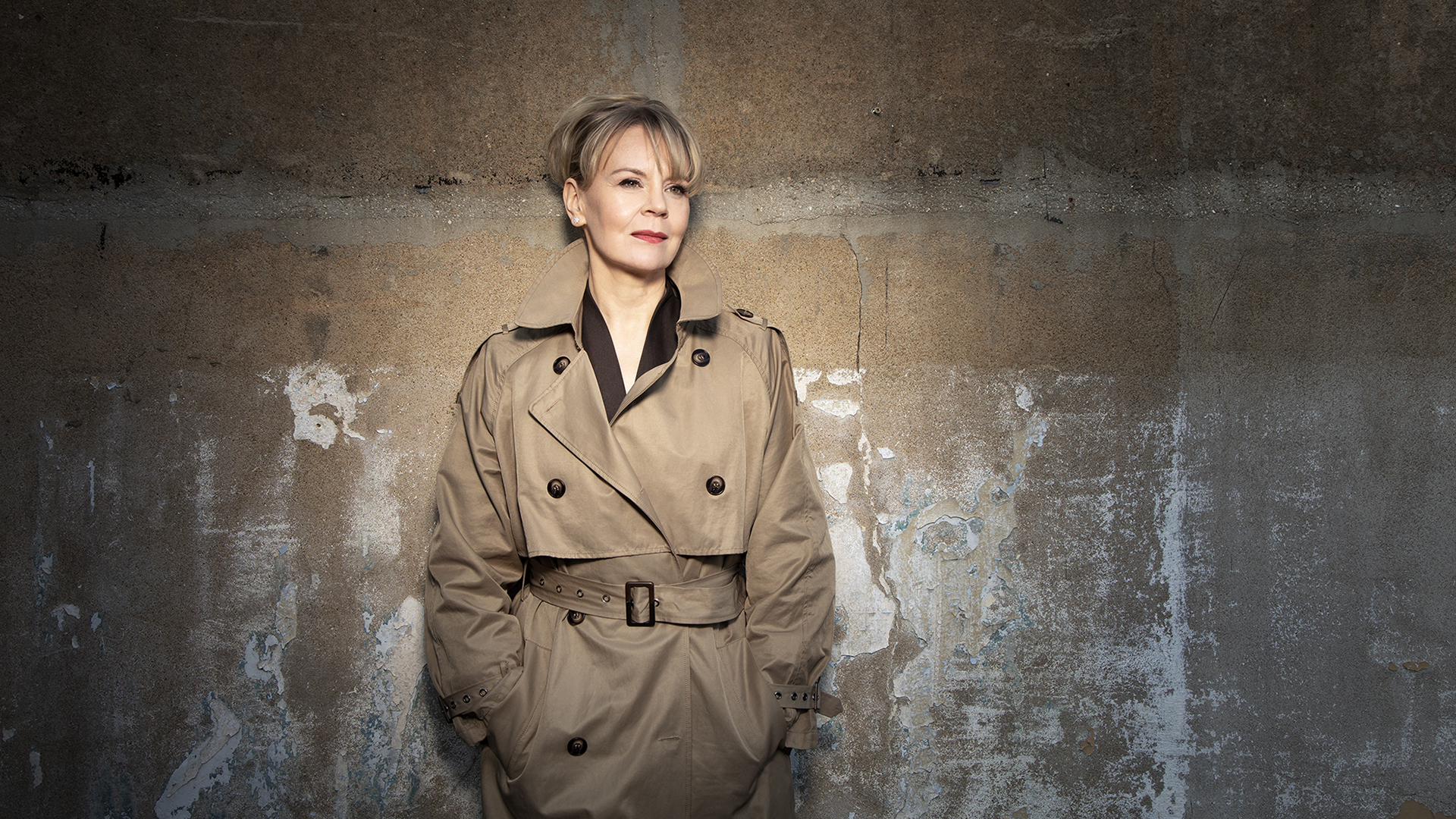
Susanna Mälkki (b. 1969) is one of today’s most sought-after conductors, appearing regularly with leading orchestras and opera houses worldwide. Chief Conductor Emeritus of the Helsinki Philharmonic Orchestra, she served as its Chief Conductor from 2016 to 2023 and was Principal Guest Conductor of the Los Angeles Philharmonic from 2017 to 2022. By invitation of Pierre Boulez, she was Music Director of Ensemble intercontemporain from 2006 to 2013.
Mälkki has conducted many of the world’s foremost orchestras, including the Cleveland Orchestra, New York Philharmonic, Chicago Symphony Orchestra, London Symphony Orchestra, Bavarian Radio Symphony Orchestra and Berliner Philharmoniker. This season’s engagements include performances in Los Angeles and Berlin, alongside productions of Der fliegende Holländer, Guillaume Tell and Lohengrin.
Her honours include Finland’s Pro Finlandia Medal, the Nordic Council Music Prize and an honorary doctorate from Uniarts Helsinki. Since 2025, she has served as Professor of Orchestral Conducting at the Sibelius Academy.
Tuomas Katajala
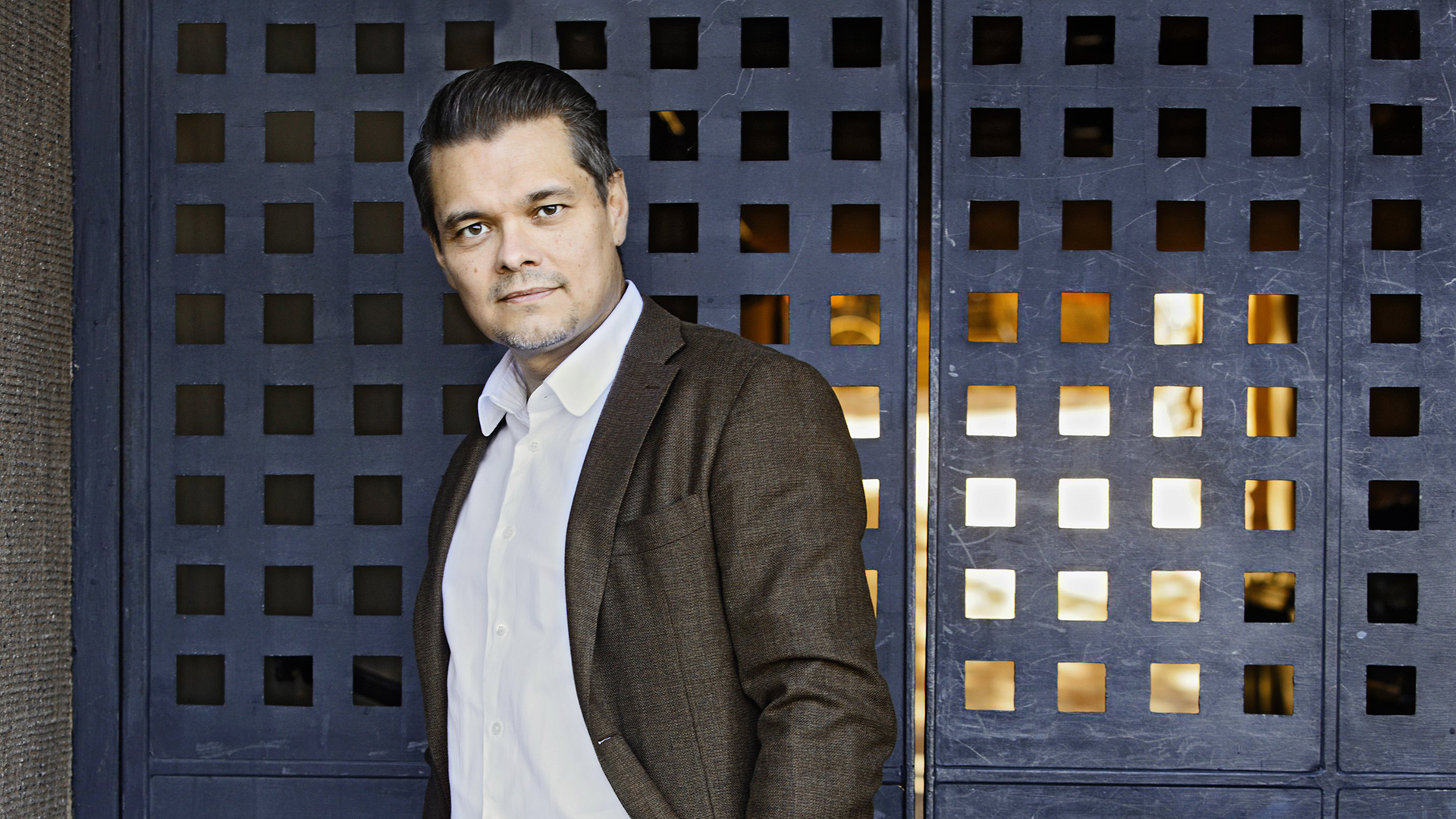
Finnish tenor Tuomas Katajala (b. 1975) is one of the most versatile singers in the Nordic, with a repertoire of more than 100 oratorios, orchestral works and lieds spanning the Baroque to the contemporary.
Recent highlights include Mahler’s Symphony No. 8 with the Latvian National Opera under Tarmo Peltokoski, Froh in Das Rheingold at Cologne Opera under Marc Albrecht, and Mahler’s Das Lied von der Erde in Palermo. This season, he reunites with Peltokoski and Mahler’s 8th as soloist with the Hong Kong Philharmonic Orchestra and appears in Beethoven’s Symphony No. 9 with the Turku Philharmonic Orchestra under John Storgårds, and Szymanowski’s King Roger with the Finnish Radio Symphony Orchestra.
Katajala studied at the Sibelius Academy and continued his training in Amsterdam and at the Accademia Rossiniana in Pesaro. He won first prize at the Musica Sacra Competition in Rome in 2004 and was a member of the Finnish National Opera ensemble from 2009 to 2014.
Helsinki Philharmonic Orchestra
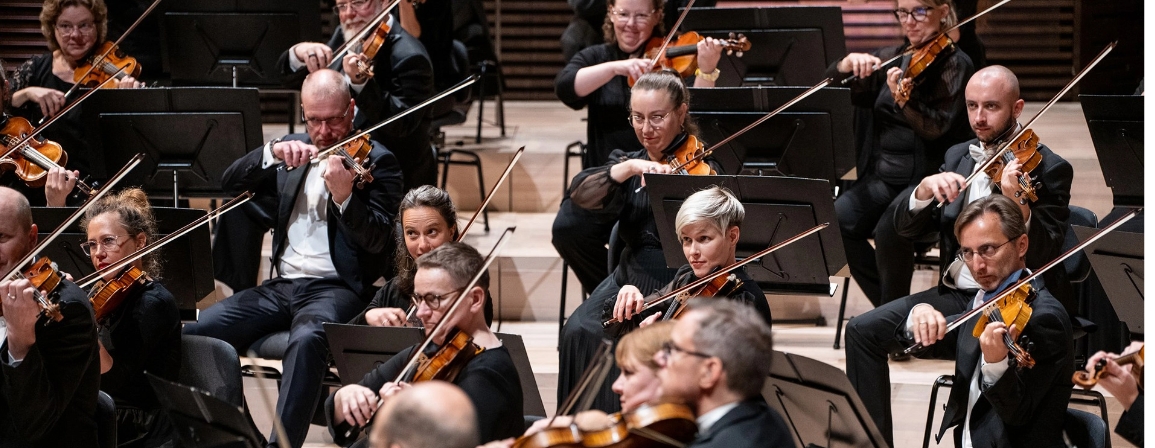
The principle of putting on regular concerts given by an orchestra of top musicians has remained right up to the present day in the over 140 years since the Helsinki Philharmonic Orchestra was formed. It premiered most of the symphonic works by Jean Sibelius with the composer himself conducting, and continues its commitment to contemporary music by commissioning works by composers both Finnish and foreign.
Now a band of 102 musicians, the Helsinki Philharmonic Orchestra annually performs to a total audience of over 100,000 and has become an important constituent of its host city’s cultural capital. The orchestra’s work also touches those who, for one reason or another, are unable to attend concerts at the Helsinki Music Centre. The orchestra performs in a variety of ensembles throughout Helsinki, provides performance opportunities for children and young people, and reaches special groups through its wide-ranging education and outreach activities. The orchestra’s HPO Kids program, launched in 2000, has expanded into Culture Kids, a city-wide cultural program for children across Helsinki.
Now a band of 102 musicians, the Helsinki Philharmonic Orchestra annually performs to a total audience of over 110,000.
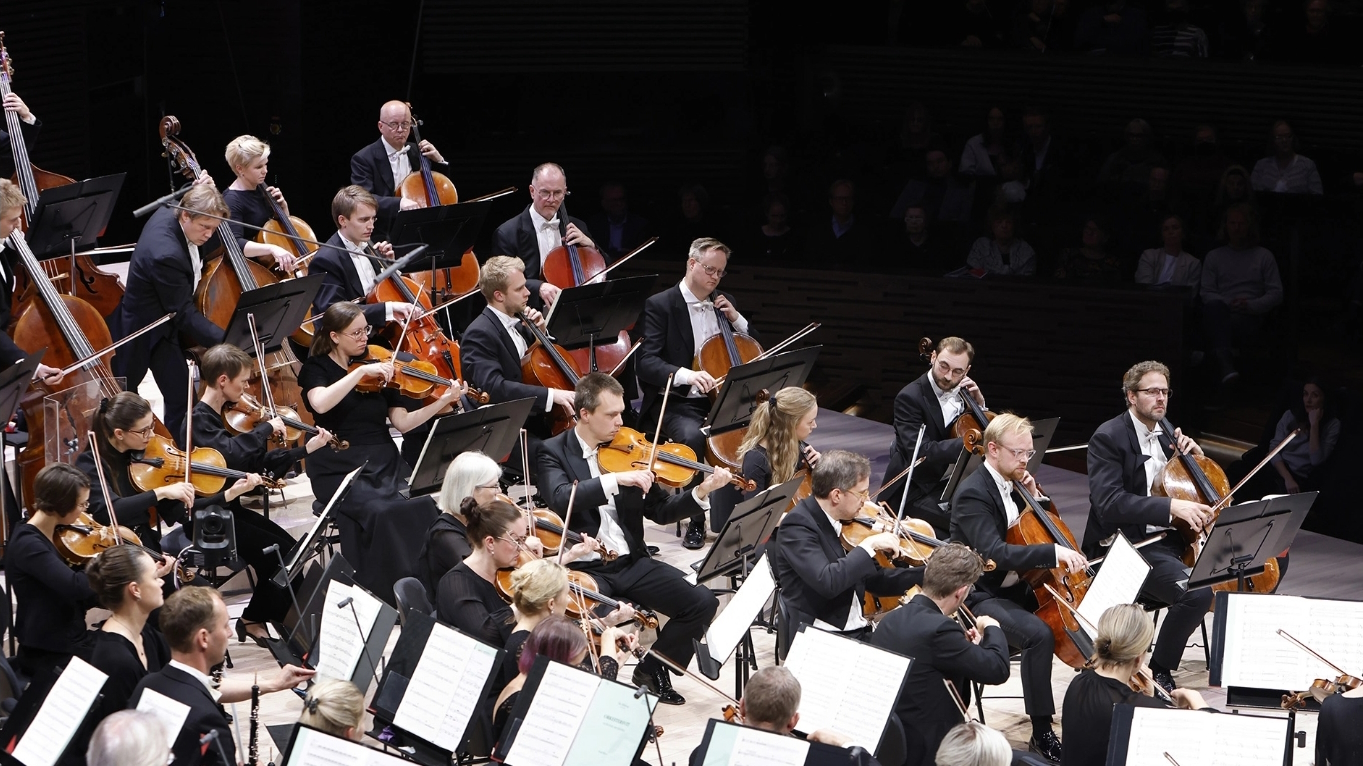
In addition to its activities in Helsinki, the orchestra reaches international audiences through touring abroad and an active recording programme. The HKO Screen concerts, available online both as live streams and on-demand recordings, together with background interviews, bring viewers around the world closer to the creative process behind a musical work.
Jukka-Pekka Saraste has served as the chief conductor and artistic leader of the orchestra since 2023. During the seasons 2026–2028 the post of the principal guest conductor is filled by the orchestra itself, with concerts performed without a conductor and with programs planned by the musicians themselves.
- Kreeta-Julia Heikkilä
Pekka Kauppinen
Eija Hartikainen
Katariina Jämsä
Elina Lehto
Ilkka Lehtonen
Jani Lehtonen
Kari Olamaa
Petri Päivärinne
Kalinka Pirinen
Elina Viitasaari
Lina Leikola
Kamran Omarli
Matilda Haavisto
David Seixas
Teppo Ali-Mattila
Eva Ballaz
Linda Hedlund
Virpi Taskila
Julien Malait
Anna Tanskanen
Atte Kilpeläinen
Torsten Tiebout
Lotta Poijärvi
Petteri Poijärvi
Kaarina Ikonen
Ulla Knuuttila
Carmen Moggach
Liisa Orava
Markus Sallinen
Hajnalka Standi-Pulakka
Tuomas Ylinen
Saara Särkimäki
Nadja Barrow
Ilmo Saaristo
Pekka Smolander
Maria Morfin Venäläinen
Päivi Paajanen
Oskari Hänninen
Ville Väätäinen
Eero Ignatius
Adrian Rigopulos
Martti Genevet
Vera Savolainen
- Elina Raijas
Jenny Villanen
Senja Peltokangas
Paula Malmivaara
Jussi Jaatinen
Nils Rõõmussaar
Luz Sedeño
Anna-Maija Korsimaa
Heikki Nikula
- Mikko-Pekka Svala
Noora Van Dok
- Ville Hiilivirta
Miska Miettunen
Mika Paajanen
Jonathan Nikkinen
- Jonas Silinskas
- Scott Natzke
- Mika Tuomisalo
- Víctor Álvarez Alegría
Valtteri Malmivirta
Jussi Vuorinen
Ilkka Marttila
- Tomi Wikström
Xavi Castelló Aràndiga
Mikael Sandström
Pasi Suomalainen
- Bengi Canatan
Minnaleena Jankko
- Matilda Kärkkäinen, piano
Minnaleena Jankko, celesta
- Mikko Aspinen
- Matti Tähkävuori
- Peetu Hänninen
Did you like it?
The trilingual website is designed to suit the dark environment of the concert hall, minimising disturbance to those seated nearby.
More musical energy
Today: Encounters Club – Nachtmusik
Next HKO screen #HKOSCREEN
Direct broadcast 30/09/2026 at 7PM
helsinginkaupunginorkesteri.fi | areena.yle.fi
Production
Programme notes
Translations
Artist bios
Fotos
Contact details
www.helsinginkaupunginorkesteri.fi
helsinki.philharmonic@hel.fi
Helsingin kaupunginorkesteri
Musiikkitalo, Mannerheimintie 13 A, Helsinki
PL 10403, 00099 Helsingin kaupunki