Program
Heirs to Brahms
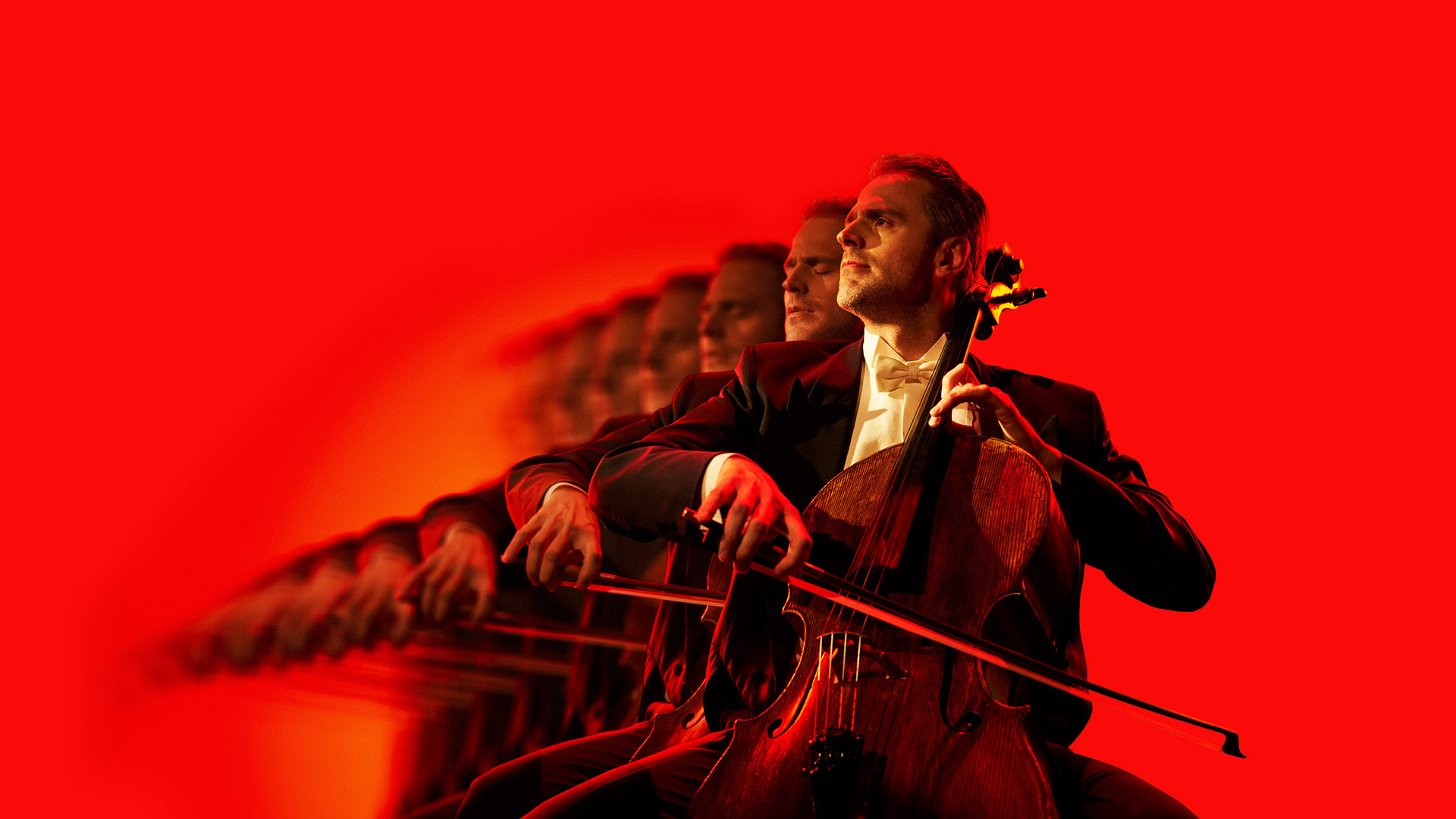
Jukka-Pekka Saraste
Rudolf Buchbinder
Johannes Brahms (1833–1897)
Piano Concerto No. 1 in D Minor Op. 15 (1854–1858) 47'
- Maestoso
- Adagio
- Rondo: Allegro non troppo
Arnold Schönberg (1874–1951)
Pelléas amd Mélisande Op. 5 (1902–1903) 44'
- Die Achtel ein wenig bewegt - zögernd
- Heftig
- Lebhaft
- Sehr rasch
- Ein wenig bewegt
- Langsam
- Ein wenig bewegter
- Sehr langsam
- Etwas bewegt
- In gehender Bewegung
- Breit


Shh… Please remember to silence your mobile phone.
Photographs may be taken before the concert begins and during the applause.
Program notes
Johannes Brahms
The career of composer Johannes Brahms (1833–1897) got off to a flying start when Robert Schumann declared him to be the next great name in symphonic music, a new Beethoven. This tribute was premature and had an unfortunate impact: although Brahms was an undeniable virtuoso, his merits as a composer up to that time included only what might be described as kindling for firing up his performing career: sonatas, solo songs and chamber music. Schumann’s praise heaped unreasonable pressure on the emerging young musician, and Brahms struggled with this until he actually completed a symphony — more than 20 years later.
Brahms wrote several works based on material that he originally intended to make into a symphony. The earliest of these is the Piano Concerto no. 1 in D minor (1858). It was initially supposed to be a sonata for two pianos. Brahms began writing it in 1854, soon after Schumann had been dragged out of the river Rhine and committed to a mental asylum. When Schumann’s death began to seem inevitable, Brahms decided to convert the sonata into a symphony, as a sort of parting gift to his friend and mentor. This plan proved too ambitious to be sustained, but in the end the stuff of this sonata/symphony emerged as perhaps the most symphonic piano concerto ever written.
The concerto is in three movements, and its tumultuous nature mirrors Brahms’s mental turmoil. The first movement captures the anguish caused by Schumann’s attempted suicide by drowning and his subsequent death. The second movement is a warm-hearted love letter to his widow, Clara Schumann. The finale evokes the shadow of Beethoven, with which Brahms had only just begun to come to grips.
Arnold Schönberg
Sauli Zinovjev
Sauli Zinovjev (b. 1988) made his breakthrough with the orchestral work Batteria (2016). He has since written several orchestral works, besides solo concertos and chamber music works performed around the world. In autumn 2025, Sinfonia Lahti premiered the commissioned work Fade Out.
Zinovjev’s symphony now being premiered, Taste of Metal (2023–2025), is a joint commission by the Helsinki Philharmonic, the Oslo Philharmonic and the Orchestre de Paris. The composer writes:
At its best, a piece of music contains everything.
“At its best, a piece of music contains everything. An entire life in a single moment. This notion shaped my approach to music even before I knew that the iconic Gustav Mahler had stated something very similar. The desire to create an entire universe is not just a philosophy; it is a power that drives my creativity with an almost compulsive intensity.
“My output to date culminates in my first symphony, Taste of Metal. Its inspiration arose from the sculptures of Markus Copper: tense, overpowering works that exude danger, raw energy and a profound awareness of the fragility of human life. Similarly, Taste of Metal is at once beautiful and cruel. The work has for movements: ‘low’, ‘flow’, ‘glow’ and ‘blow’, tracing an arc from movement deep in the earth to internal combustion and an explosive release. Here, metal is not just sound but also weight and the bitter tang of blood.”
Artists
Jukka-Pekka Saraste
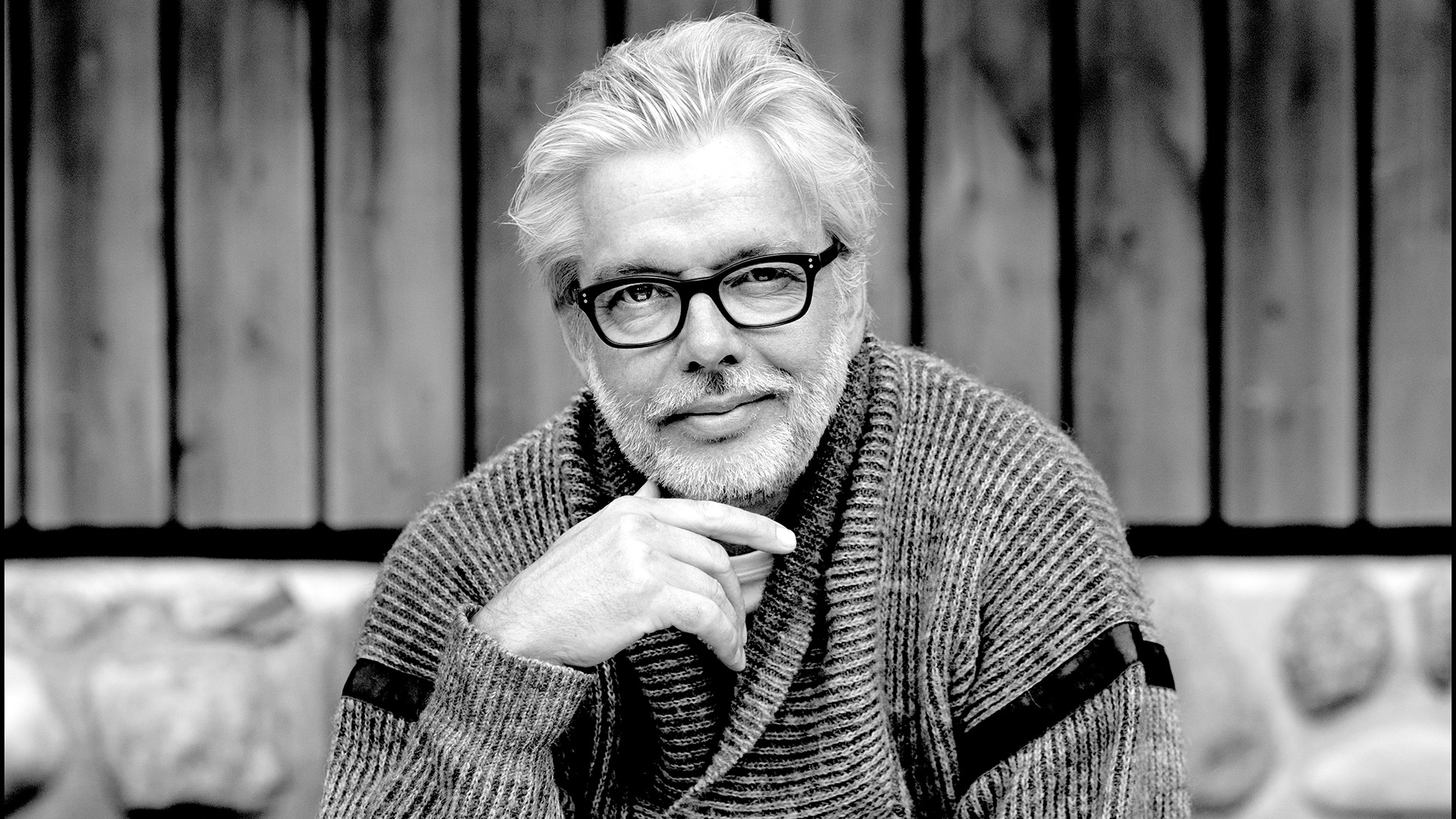
Jukka-Pekka Saraste, Chief Conductor and Artistic Director of the Helsinki Philharmonic Orchestra, has established himself as one of the outstanding conductors of his generation. Born in Finland in 1956, he began his career as a violinist. Today, he is renowned as an artist of exceptional versatility and breadth.
Saraste has previously held principal conductorships at the WDR Symphony Orchestra in Cologne, the Oslo Philharmonic Orchestra, the Finnish Radio Symphony Orchestra, the Toronto Symphony Orchestra, and the Scottish Chamber Orchestra, and has served as Principal Guest Conductor of the BBC Symphony Orchestra. As a guest conductor, he appears with major orchestras worldwide, including the Orchestre de Paris, the London Philharmonic Orchestra, the Staatskapelle Berlin, the Cleveland Orchestra, the New York Philharmonic Orchestra, and the Symphony Orchestras of Boston, Chicago, and San Francisco.
Coaching and mentoring young musicians is of great importance to Saraste. He is a founding member of the LEAD! Foundation, a mentorship programme for young conductors and soloists.
Rudolf Buchbinder

“Music has never stopped fascinating me. And even after all these decades there are still some works, including works that I have heard many times and played even more frequently, that have the notorious “goose bumps passages”, moments that touch and stir you as much as ever. This also includes the F major passage in the first movement of Brahms’ D Minor Piano Concerto.”
Rudolf Buchbinder (b. 1946) is one of the legendary performers of our time. The authority based on a career spanning more than 60 years is uniquely combined with esprit and spontaneity in his piano playing. He has performed the 32 piano sonatas of Beethoven in cycles all over the world more than 60 times.
Buchbinder attaches great importance to historical music sources. His private collection of sheet music includes 39 different editions of Beethoven's complete piano sonatas, and for example copies of the autograph piano parts of both piano concertos by Johannes Brahms.
Rudolf Buchbinder is an honorary member of the Vienna Philharmonic Orchestra, the Gesellschaft der Musikfreunde in Wien, the Wiener Konzerthausgesellschaft, and the Vienna Symphony Orchestra.
Helsinki Philharmonic Orchestra
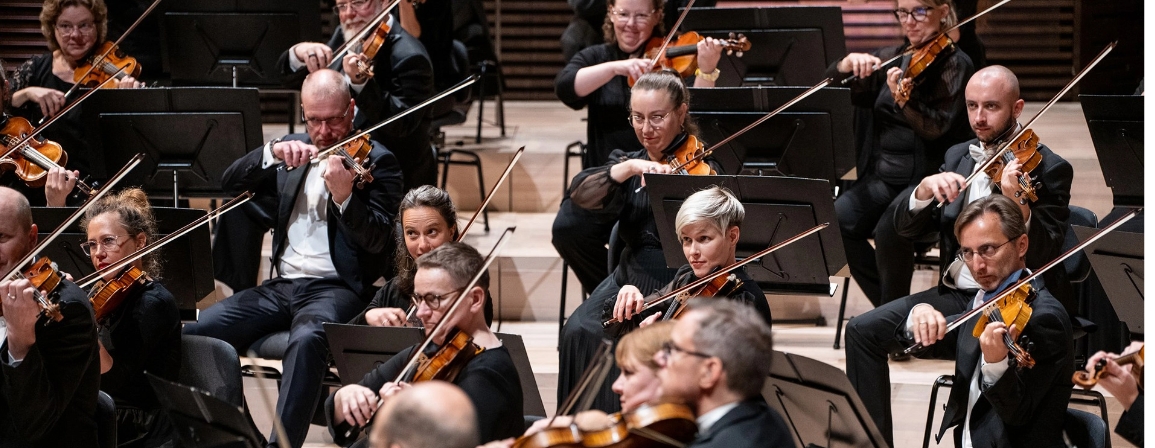
The principle of putting on regular concerts given by an orchestra of top musicians has remained right up to the present day in the over 140 years since the Helsinki Philharmonic Orchestra was formed. It premiered most of the symphonic works by Jean Sibelius with the composer himself conducting, and continues its commitment to contemporary music by commissioning works by composers both Finnish and foreign.
Now a band of 102 musicians, the Helsinki Philharmonic Orchestra annually performs to a total audience of over 110,000 and has become an important constituent of its host city’s cultural capital. It also reaches people who for one reason or another cannot attend concerts at the Helsinki Music Centre, for in addition to making international tours, it sends small ensembles out across the city, provides opportunities for young people to perform and, through its active education programme, is able to make contact with special groups. For the third time it invited an entire age group – this time all the children born in Helsinki in 2020 – to enjoy music with their families over the next seven years as members of the HPO Kids -program.
Now a band of 102 musicians, the Helsinki Philharmonic Orchestra annually performs to a total audience of over 110,000.
The HKO Screen concerts and background interviews screened live or recorded on the Internet makes the process of creating a piece of music even more readily accessible.
The orchestra has a three-member Artistic Leadership Team, which comprises Chief Conductor and Artistic Director Jukka-Pekka Saraste, Principal Guest Conductor and Artistic Co-director Pekka Kuusisto and Composer-in-Residence Anna Thorvaldsdottir.
- Pekka Kauppinen
Kreeta-Julia Heikkilä
Lina Leikola
Eija Hartikainen
Katariina Jämsä
Helmi Kuusi
Elina Lehto
Ilkka Lehtonen
Kari Olamaa
Petri Päivärinne
Kalinka Pirinen
Sirkku Helin
Aada Kuoppa
Ángeles Salas Salas
Katinka Korkeala
Tuuli Talvitie
Anna-Leena Haikola
Anna Husgafvel
Teija Kivinen
Kamran Omarli
Maiju Kauppinen
Teppo Ali-Mattila
Heini Eklund
Serguei Gonzalez Pavlova
Dhyani Gylling
Matilda Haavisto
Liam Mansfield
Krista Rosenberg
Virpi Taskila
Pauline Fleming-Unelius
David Seixas
Atte Kilpeläinen
Torsten Tiebout
Petteri Poijärvi
Mariette Reefman
Aulikki Haahti-Turunen
Kaarina Ikonen
Tiila Kangas
Liisa Orava
Iiro Rajakoski
Markus Sallinen
Hajnalka Standi-Pulakka
Pei-Yi Wu
Lauri Kankkunen
Tuomas Ylinen
Beata Antikainen
Jaani Helander
Mathias Hortling
Ilmo Saaristo
Saara Särkimäki
Johannes Välja
Amrei Bohn
Oona Koivukangas
Annika Valkeajoki
Tommi Wesslund
Adrian Rigopulos
Eero Ignatius
Jon Mendiguchia
Paul Aksman
Tuomo Matero
Henri Dunderfelt
Joshua Baker
Pauli Pappinen
Niamh McKenna
Elina Raijas
Päivi Korhonen
Jenny Villanen
Nils Rõõmussaar
Simeon Overbeck
Jussi Jaatinen
Paula Malmivaara
Samuel Buron-Mousseau
Oliver Shermacher
Anna-Maija Korsimaa
Angel Molinos
Heikki Nikula
Markus Tuukkanen
Erkki Suomalainen
Mikko-Pekka Svala
Noora Van Dok
Ruben Buils Garcia
Ville Hiilivirta
Miska Miettunen
Mika Paajanen
Sam Parkkonen
Joonas Seppelin
Satu Huuskonen
Marian Strandenius
- Thomas Bugnot
Obin Meurin
Mika Tuomisalo
Marco Cubillas Bolado
Victor Álvarez Alegría
Valtteri Malmivirta
Anu Fagerström
Jussi Vuorinen
Sakari Mäkimattila
Ilkka Marttila
- Tomi Wikström
- Mikael Sandström
Tuomas Siddall
Pasi Suomalainen
Teo de la Cruz
Alex Martin Agustin
- Lily-Marlene Puusepp
Katilyne Roels - Minnaleena Jankko
Saara Olarte
- -
- Mikko Aspinen
- Emil Kauppinen
- Matti Tähkävuori
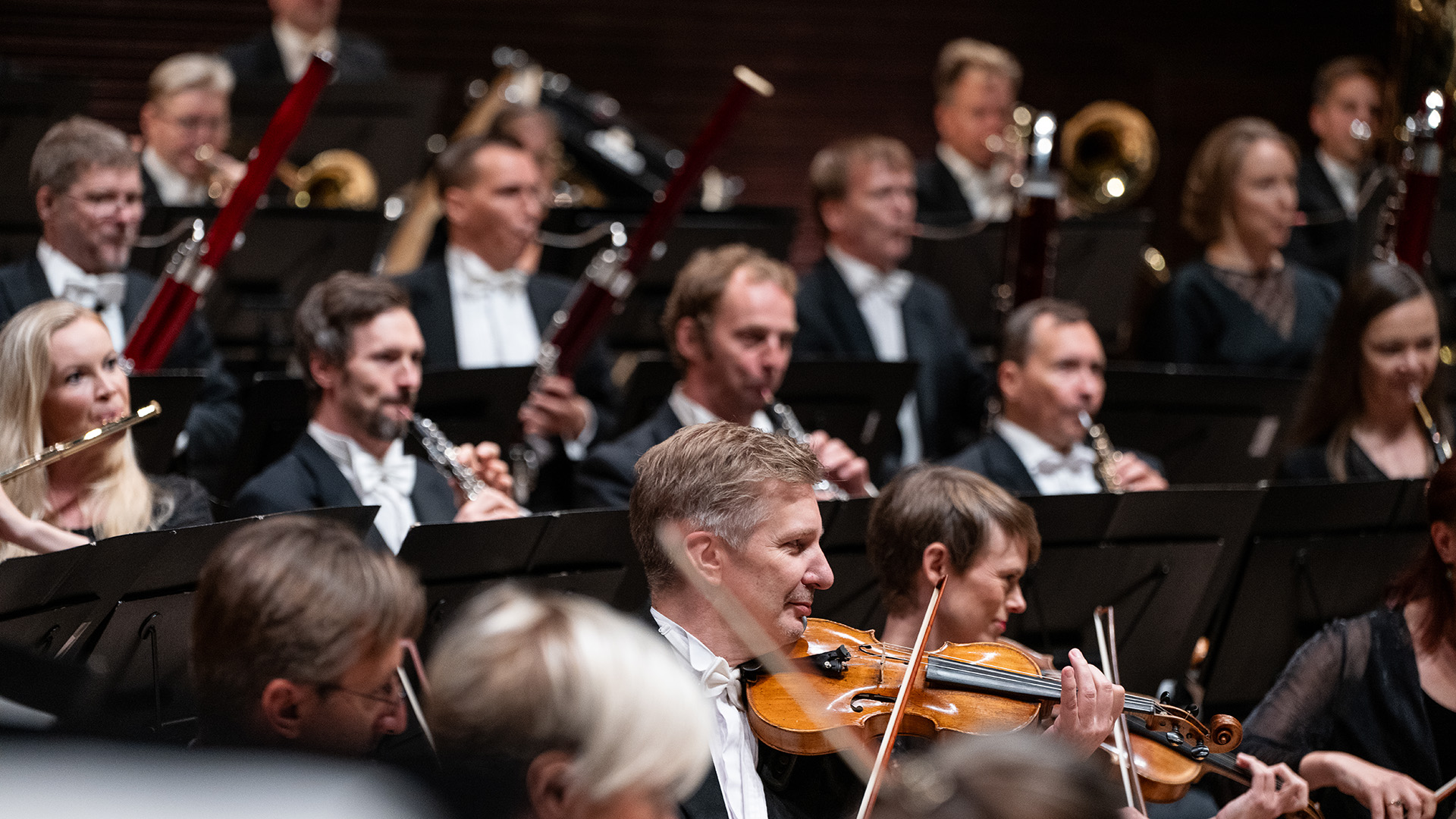
Did you like it?
The trilingual website is designed to suit the dark environment of the concert hall, minimising disturbance to those seated nearby.
More musical energy
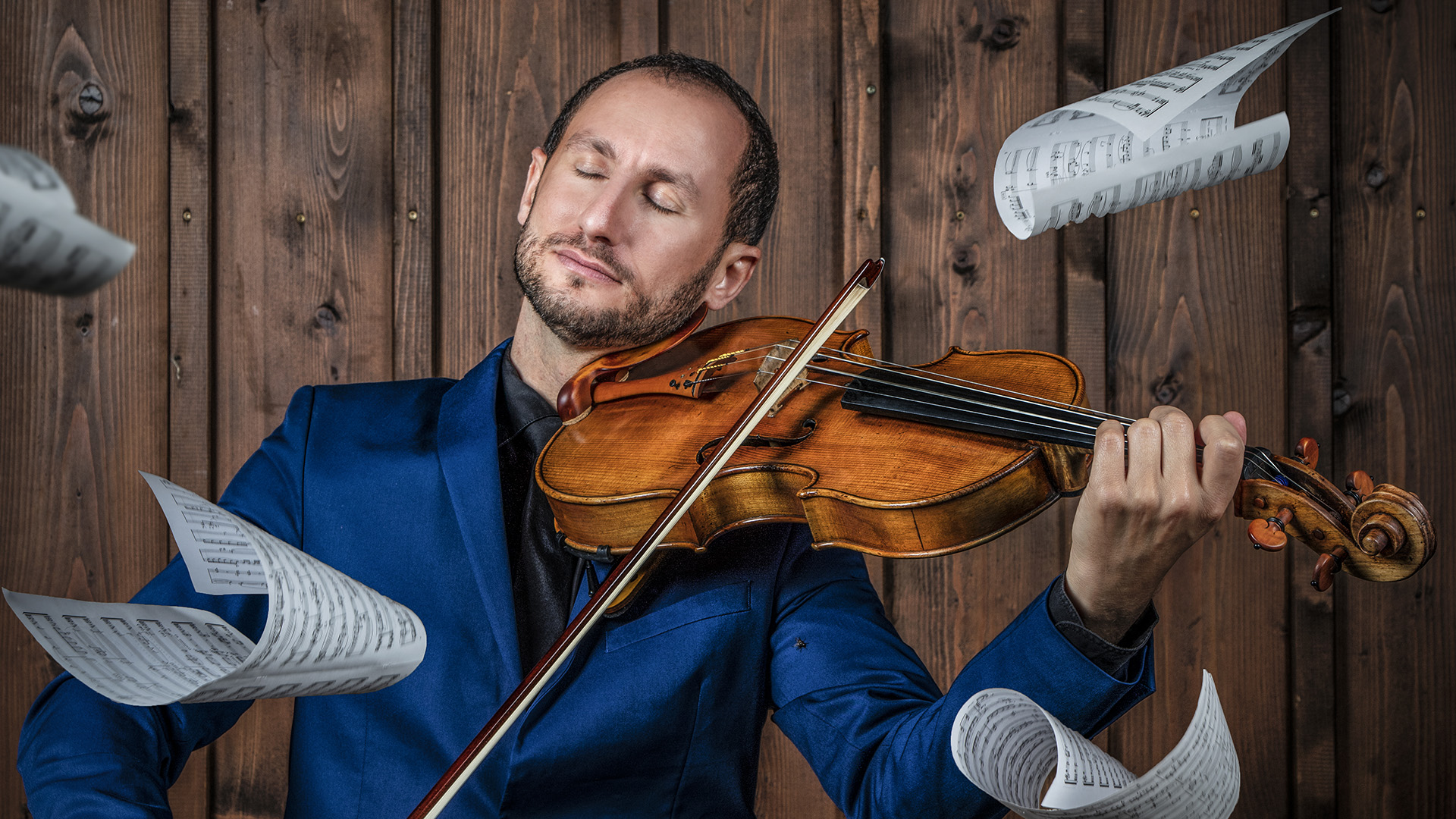
Playfulness
Fri 13/03/2026 at 19
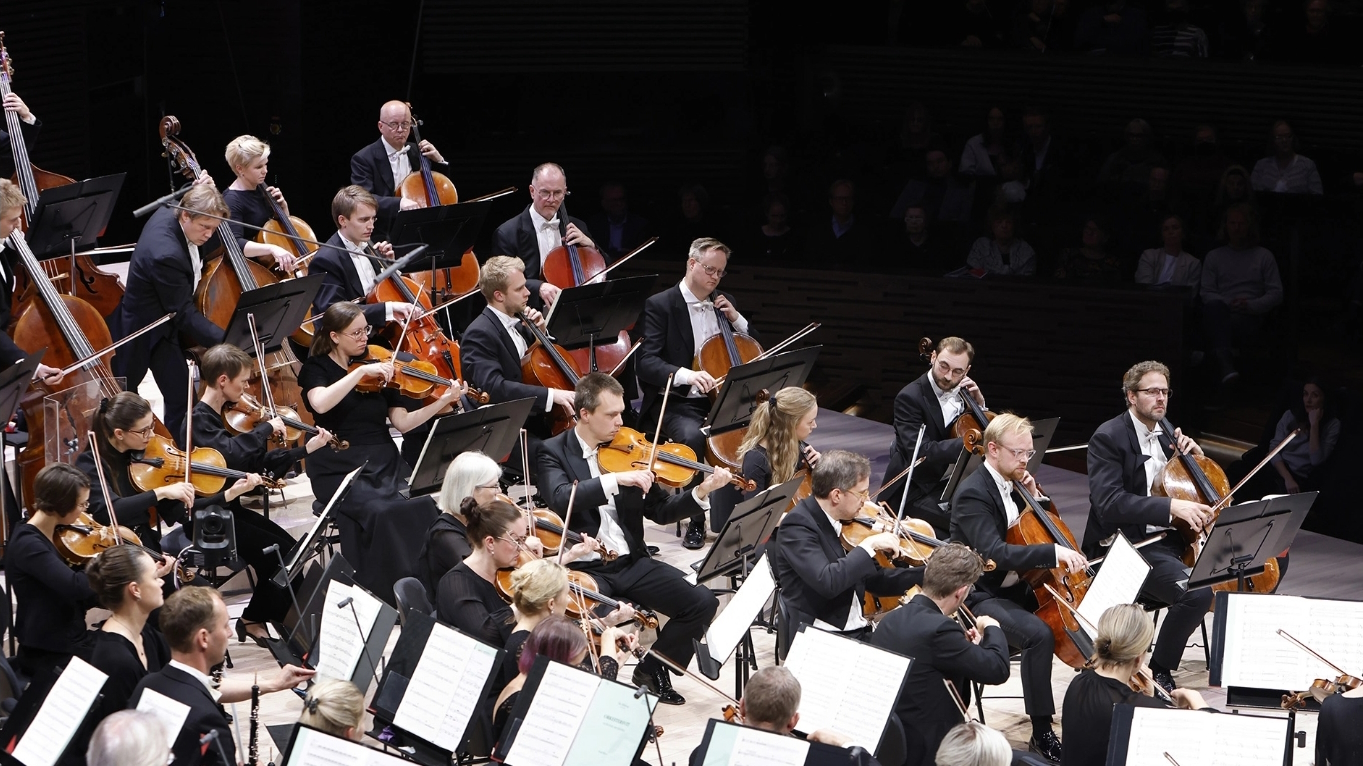
Next HKO screen #HKOSCREEN
Direct broadcast thu 19/03/2026 at 7PM
helsinginkaupunginorkesteri.fi | helsinkikanava.fi
Production
Programme notes
Translations
Artist bios
Contact details
www.helsinginkaupunginorkesteri.fi
helsinki.philharmonic@hel.fi
Helsingin kaupunginorkesteri
Musiikkitalo, Mannerheimintie 13 A, Helsinki
PL 10403, 00099 Helsingin kaupunki