Program
Peter and the Wolf
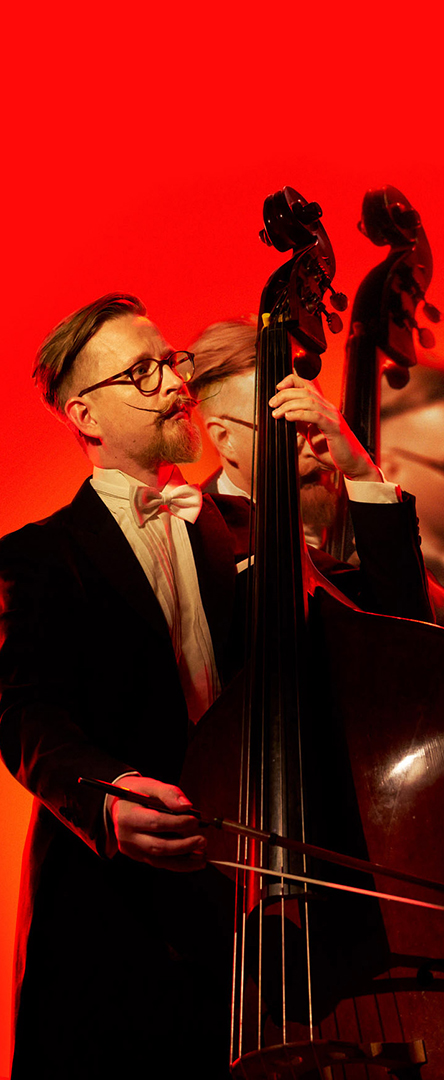

Mikael Loponen
Satu Sopanen
Martti Manninen
Raili Raitala
Pekka Louhio
Petri Virtanen
Minun ystäväni (arr. Jorma Härkönen)
- Culture Kids born 2000: Viivi Helisalo, Ansa Matikainen
- Culture Kids born 2012: Jesper Haukka, Aliisa Lehtonen, Pius Tervaportti
Sergei Prokofjev / Jukka Nykänen
Peter and the Wolf (orch. Marko Hilpo)
Johanna Elovaara, Director and Choreographer
Sanna Niemeläinen, Dramaturg and Song Lyrics
Elina Kolehmainen, Set and Costume Design
Aino Hyttinen, Makeup Design
Eetu Seppälä, Sound Design
Tomi Tikka, Lighting Design
Ilkka Kokkonen, Production, Helsinki City Theatre
Jenny Jumppanen and Mirja Neuvonen, Audience Engagement and Culture Kids Coordination, Helsinki City Theatre ,
Annika Kukkonen, Audience Engagement, Culture Kids Coordination and Production, Helsinki Philharmonic Orchestra


Shh… Please remember to silence your mobile phone.
Photographs may be taken before the concert begins and during the applause.
Program notes
Sergei Prokofjev / Jukka Nykänen
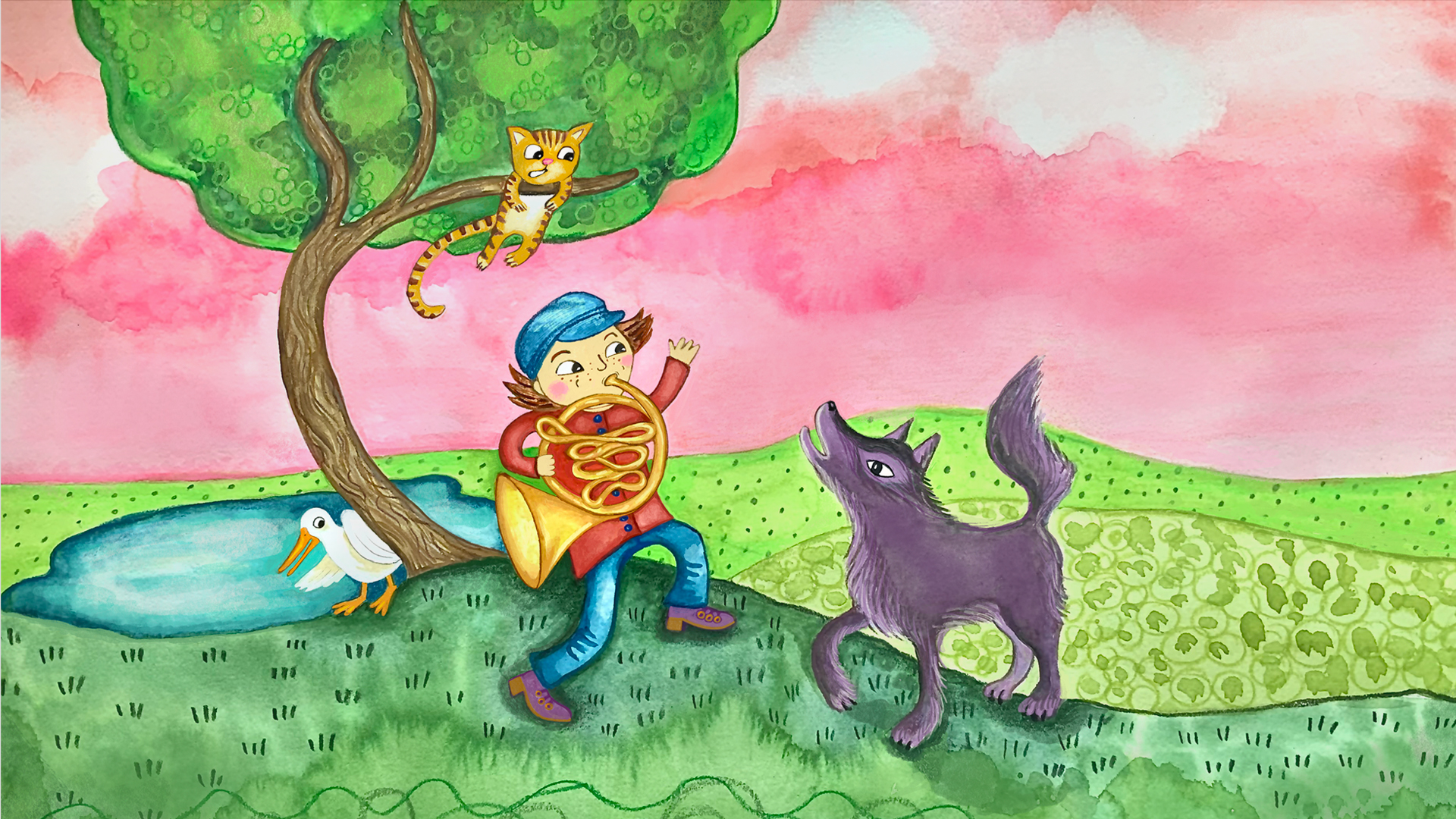
It is morning on the farm where Pekka lives with his grandfather. Grandfather has already started work and the farm animals have also woken up. Pekka is a brave boy, but despite his grandfather's warnings, he does not always remember to close the gate. Such is the case also this morning. At least the duck living on the farm enjoys being allowed to bathe in the puddle outside the yard for once, but what happens when a wolf arrives from the surrounding forest? Fortunately, Pekka is not only brave but also witty, so there is no cause for alarm.
Giacomo Puccini (1858–1924)
Hugo Wolf (1860–1903)
Austrian composer Hugo Wolf (1860–1903) is one of the masters of the Lied. He wrote nearly 300 solo songs to poems by Goethe, von Eichendorff, Mörike and others before syphilis wrecked his mental health. At the age of 38, he committed himself to a mental asylum where he died five years later.
Wolf’s greatest idol was Wagner, and as a music critic he was a fierce champion of Wagner’s work. Inspired by his role model, he developed a unique musical idiom characterised by emotional intensity and a harmonic language advanced for its time. His life goal was to write a Wagnerian opera, but Der Corregidor (1895) failed to measure up because of its terrible libretto, and Manuel Venegas (1897) remained unfinished.
The Italian Serenade is one of Wolf’s few instrumental pieces. He wrote it for string quartet in a couple of days in spring 1887, originally intending it as one of the three movements in a suite. In 1892, he arranged the piece for viola and chamber orchestra, contemplating the writing of a four-movement “Italian suite” which never materialised. In 1903, Max Reger wrote a version of the piece for chamber orchestra based on Wolf’s score. The Italian Serenade shows us a side of Wolf that avoids Wagnerian grandeur and rhetoric: it is a happy, light and humorous piece of music.
Felix Mendelssohn (1809–1847)
Felix Mendelssohn (1809–1847) was the Sunday’s child of art music. He was born into the family of a banker, and his talent was noticed and nurtured at an early age. He was at home in the cultural circles of his community from childhood, was adept at networking and created a brilliant career as a composer, pianist and conductor. But the success story had its downside. Mendelssohn began to suffer from mounting self-criticism and turned into a perfectionist. He came to consider that he had written his best works in his teens. Eventually he became so insecure that he began to withhold his scores from the public.
One of the scores thus withheld was the Symphony in A major, written to a commission from the London Philharmonic Society. Its premiere in London in spring 1833 had been a huge success, but Mendelssohn, not pleased with the result, rewrote the score. Even then he was not happy, and the work was not printed until after his death. Traditionally numbered no. 4, it was in fact chronologically the third symphony that he wrote.
The Symphony was inspired by Mendelssohn’s trip to Italy in 1830. The second movement, for instance, was prompted by a religious procession in Naples. Mendelssohn would have been surprised at the enduring popularity of the work. He could not have guessed that audiences and musicians alike would continue to love its sunny disposition and brilliant orchestration. He would instead have moped over clumsy voice-leading or some such thing. Such can be the fate of a child prodigy.
Hugo Wolf (1860–1903)
Pjotr Tšaikovskin (1840–1893) kamppailu seksuaalisen identiteetin kanssa kulminoitui vuonna 1878. Silloin hänen kulissiavioliittonsa nuoreen naisoppilaaseen kaatui ennen kuin se ehti kunnolla alkaa. Hän joutui myöntämään olevansa homoseksuaali, tosin vain itselleen, mutta pakeni silti varmuuden vuoksi skandaalia Sveitsiin ja Italiaan, jotta saisi säveltää rauhassa juoruilta ja vainoilta. Kriisi vapautti Tšaikovskin taiteellisesti aivan uudelle tasolle. Etenkin sinfonioihin ilmestynyt elämäkerrallisuus tarjosi musiikin kerronnalle syvemmän, dramaattisia käänteitä tarjoavan pohjavireen.
Tšaikovskin kolme viimeistä sinfoniaa käsittelee kiellettyä, kohtalonomaista rakkautta, jota yksilön tahdonvoima ei kykene vastustamaan. Kuudes (1893) huipensi trilogian kouriintuntuvasti myös tosielämässä, sillä hän kuoli vain runsas viikko sinfonian kantaesityksen jälkeen. Arveltiin, että hänet olisi joko murhattu tai pakotettu itsemurhaan kostoksi paljastuneesta suhteestaan nuoreen sukulaispoikaan; todennäköisesti hän kuoli kuitenkin äkilliseen koleramyrkytykseen. Runsaat yhteensattumat ovat pitäneet huhut virkeinä näihin päiviin saakka.
Sinfonian lisänimi Pateettinen on Tšaikovskin veljen Modestin keksimä, ja harhaanjohtavasti käännetty. Venäjän kielessä pateettinen ei nimittäin tarkoita mahtipontista tai paatoksellista vaan pikemminkin tunteellista, intohimoista. Roihuavilla rakkauden tunnustuksilla alkava sinfonia päättyy pohjattomaan epätoivoon, kenties jopa kuolemaan.
Helsinki Philharmonic Orchestra
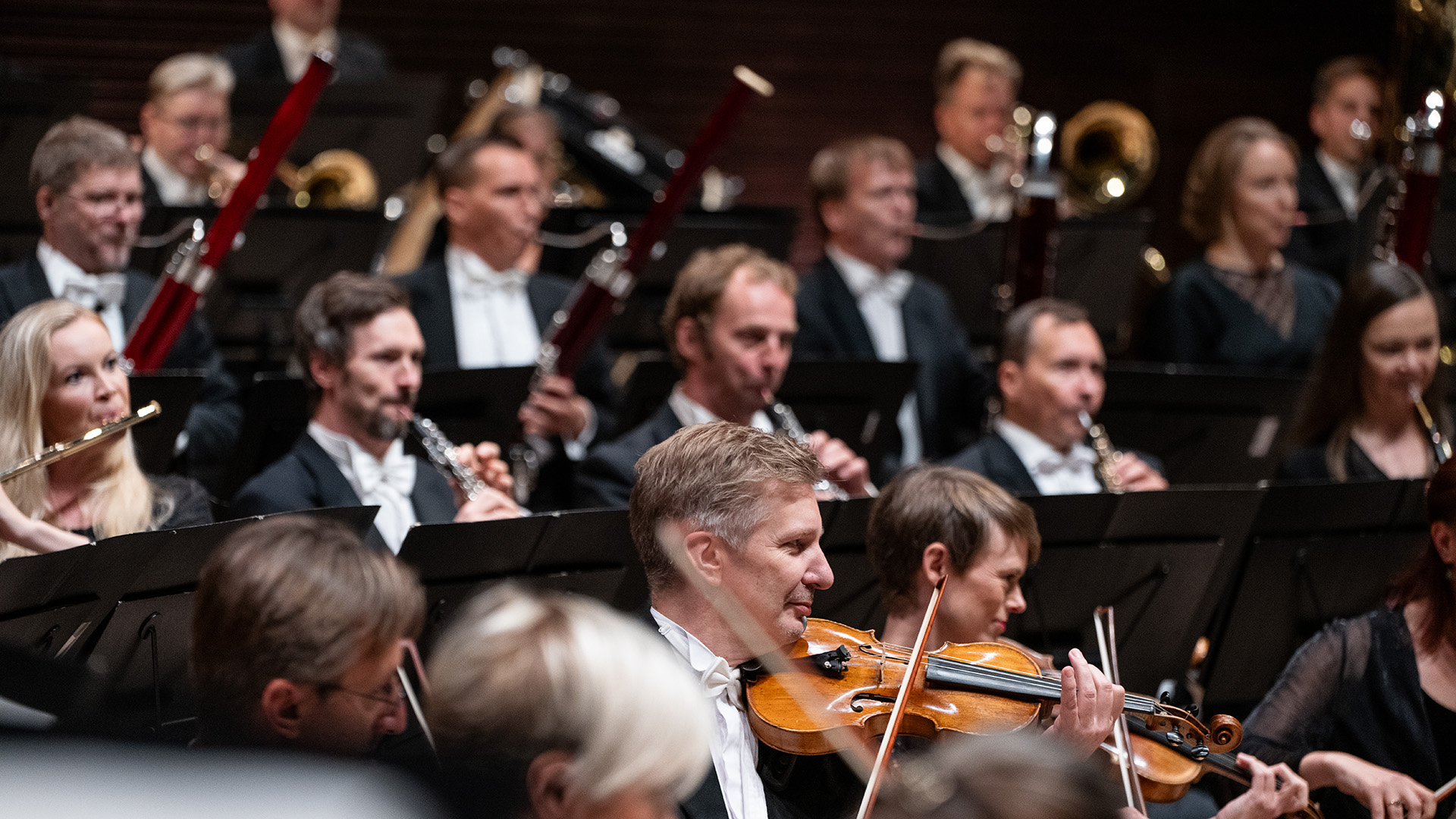
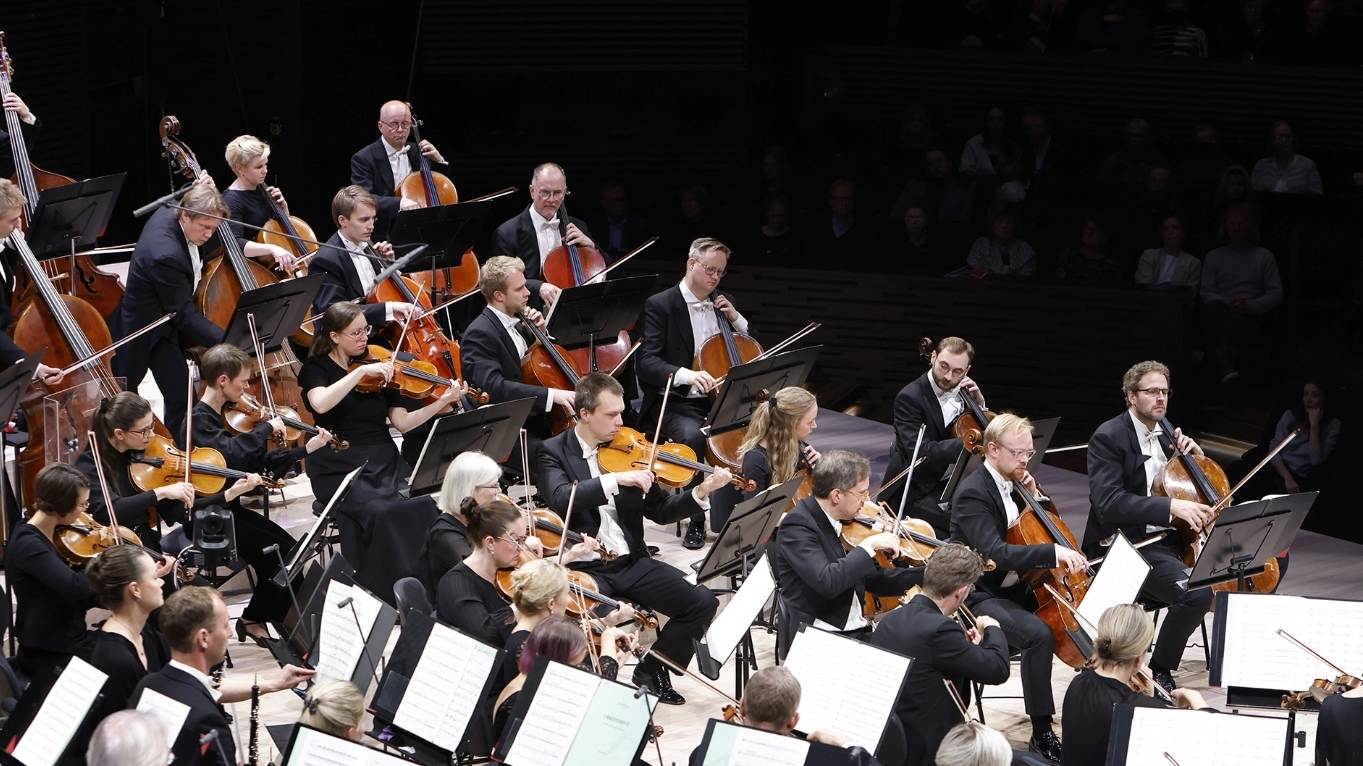
The principle of putting on regular concerts given by an orchestra of top musicians has remained right up to the present day in the over 140 years since the Helsinki Philharmonic Orchestra was formed. It premiered most of the symphonic works by Jean Sibelius with the composer himself conducting, and continues its commitment to contemporary music by commissioning works by composers both Finnish and foreign.
Now a band of 102 musicians, the Helsinki Philharmonic Orchestra annually performs to a total audience of over 100,000 and has become an important constituent of its host city’s cultural capital. The orchestra’s work also touches those who, for one reason or another, are unable to attend concerts at the Helsinki Music Centre. The orchestra performs in a variety of ensembles throughout Helsinki, provides performance opportunities for children and young people, and reaches special groups through its wide-ranging education and outreach activities. The orchestra’s HPO Kids program, launched in 2000, has expanded into Culture Kids, a city-wide cultural program for children across Helsinki.
Now a band of 102 musicians, the Helsinki Philharmonic Orchestra annually performs to a total audience of over 110,000.
In addition to its activities in Helsinki, the orchestra reaches international audiences through touring abroad and an active recording programme. The HKO Screen concerts, available online both as live streams and on-demand recordings, together with background interviews, bring viewers around the world closer to the creative process behind a musical work.
Jukka-Pekka Saraste has served as the chief conductor and artistic leader of the orchestra since 2023. During the seasons 2026–2028 the post of the principal guest conductor is filled by the orchestra itself, with concerts performed without a conductor and with programs planned by the musicians themselves.
- Kreeta-Julia Heikkilä
- Elina Viitasaari
- Tami Pohjola
Eija Hartikainen
Katariina Jämsä
Maiju Kauppinen
Kati Kuusava
Elina Lehto
Ilkka Lehtonen
Kalinka Pirinen
Satu Savioja
Lina Leikola
Kamran Omarli
Teija Kivinen
Anna-Leena Haikola
Heini Eklund
Matilda Haavisto
Linda Hedlund
Siiri Rasta
Ángeles Salas Salas
Virpi Taskila
Jokubas Svambaris
Mariette Reefman
Torsten Tiebout
Petteri Poijärvi
Aulikki Haahti-Turunen
Carmen Moggach
Markus Sallinen
Hajnalka Standi-Pulakka
Laura Világi
Beata Antikainen
Saara Särkimäki
Nadja Barrow
Veli-Matti Iljin
Jaakko Rajamäki
Annika Valkeajoki
Johane Gonzalez Seijas
Eero Ignatius
Jasu Aalto
Severi Huhdanpää
- Jenny Villanen
Hannu Perttilä
Samuel Buron-Mousseau
- Erkki Suomalainen
- Ville Hiilivirta
Miska Miettunen
Joonas Seppelin
- Thomas Bugnot
- Víctor Álvarez Alegría
-
- Mikael Sandström
Xavi Castelló Aràndiga
Pasi Suomalainen
- -
- -
- Mikko Aspinen
- Matti Tähkävuori
- Peetu Hänninen
Did you like it?
The trilingual website is designed to suit the dark environment of the concert hall, minimising disturbance to those seated nearby.
More musical energy
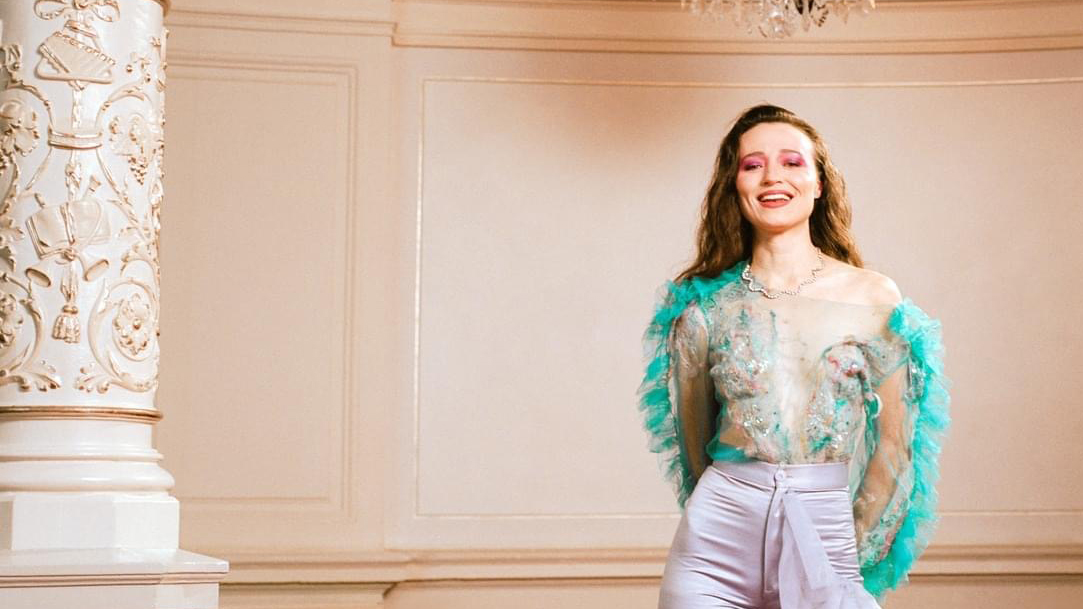
Mahler Chamber Orchestra
Thu 15/10/2026 klo 19
Next HKO screen #HKOSCREEN
Direct broadcast 30/09/2026 at 7PM
helsinginkaupunginorkesteri.fi | areena.yle.fi
Production
Fotos
Contact details
www.helsinginkaupunginorkesteri.fi
helsinki.philharmonic@hel.fi
Helsingin kaupunginorkesteri
Musiikkitalo, Mannerheimintie 13 A, Helsinki
PL 10403, 00099 Helsingin kaupunki