Program
Sibelius 5
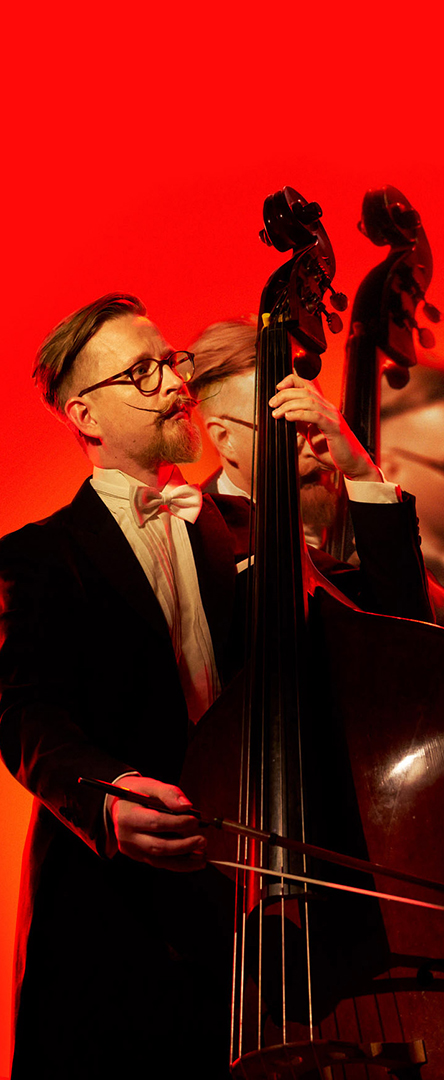

Jukka-Pekka Saraste
Hayato Sumino
Jean Sibelius (1865–1957)
Music from the suite Pelléas ja Mélisande, Op. 46 (1905) 16'
- Linnan portilla (Grave e largamente) / Vid slottsporten / At the castle gate
Mélisande (Andantino con moto)
Väliaikamusiikki (Alla gavotta) (Allegro) / Mellanaktsmusik / Entr'acte
Mélisanden kuolema (Andante) / Mélisandes död / The death of Mélisande
Sergei Prokofjev (1891–1953)
Piano Concerto No. 3 in C Major, Op. 26 (1917–1921) 28'
- Andante - Allegro
- Andantino
- Allegro ma non troppo
Jean Sibelius (1865–1957)
Symphony No. 5 in E Flat Major, Op. 82 (1915–1919) 30'
- Tempo molto moderato - Allegro moderato
- Andante mosso, quasi allegretto
- Allegro molto - Largamente assai


Shh… Please remember to silence your mobile phone.
Photographs may be taken before the concert begins and during the applause.
Program notes
Jean Sibelius (1865–1957)
Moving on from his youthful chamber music, Jean Sibelius (1865–1957) wrote his earliest orchestral works as incidental music for plays and tableaux. In a neat symmetry, his very last published orchestral work was a suite from his incidental music to Shakespeare’s The Tempest. His greatest hits, Finlandia and Valse triste, also began life as accompaniments to stage performances. His incidental music to Maurice Maeterlinck’s play Pelléas and Mélisande (1905) was commissioned by the Swedish Theatre in Helsinki.
Maeterlinck’s play was premiered in Paris in 1893, and several prominent composers soon took an interest in it. Within a decade, Gabriel Fauré, Arnold Schönberg and Claude Debussy had undertaken to add new layers of expression to the symbolism-laden rather static original. Sibelius remained faithful to the misty, insinuating style of the play, which favoured psychological tension over plot twists. A concert suite incorporating nearly all of Sibelius’s incidental music for the play was published in the year of its premiere; today’s programme includes four movements from it.
Rugged and evoking chivalry, the overture ‘At the Castle Gate’ leads us into the world of a love triangle. A melancholy oboe solo introduces ‘Mélisande’, a young woman in an unhappy marriage found by her future spouse Golaud at a forest stream. A dance-like ‘Intermezzo’ precedes a scene where Pelléas and Mélisande agree on a secret tryst. ‘Death of Mélisande’ concludes the play with a tear-jerking farewell.
Sergei Prokofjev (1891–1953)
When the young Sergei Prokofiev (1891–1953) crashed his way onto the music scene in St Petersburg, the 1,000-year Imperial regime in Russia was crumbling, and the world around it was careening into a world war. The mechanical musical delivery of this piano virtuoso who had no time for convention and tradition reflected the spirit of the times: Romantic notions were a thing of the past, and powerful dissonances now ruled the day. With his first two Piano Concertos (1912 and 1913), Prokofiev divided critics into fans and foes; what was undisputed was that no one had ever heard such a hammering on the piano.
Prokofiev assembled his Piano Concerto No. 3 (1921) like a patchwork quilt, stitching together disparate sketches from a period of eight years. The work is a colourful mix of styles: passages echoing Prokofiev’s early modernism are interspersed with suave and sarcastic Neo-Classicism. The ultimate shape of the piece was no doubt influenced by Prokofiev’s emigration to the USA, a move that tended to smooth out the rough edges of European composers. When the work was premiered with Prokofiev as soloist in Chicago in December 1921, it was coolly received. However, it soon became a showcase piece for Prokofiev, and he recorded it in 1932.
The Concerto is in three movements. It begins with an innocent orchestral pastorale soon overwhelmed by fiery scales on the piano – indeed, the entire movement is a battle of opposites. The second movement varies a gavotte theme in turns both sardonic and mystical. The finale lets the pianist off the leash with devastating effect.
Jean Sibelius (1865–1957)
Many of the major works of Jean Sibelius (1865–1957) went through several laborious revisions before attaining their final form. His Violin Concerto, the tone poems Lemminkäinen, En Saga and The Bard and his First Symphony, to name a few, were premiered in versions that Sibelius subsequently felt he could not allow to stand.
Probably the most famous example of this, however, is his Fifth Symphony (1915–1919), which Sibelius spent a total of seven years writing and which had no fewer than three premieres. When he conducted the premiere of the first version of the Symphony, in four movements, he was already a celebrated national hero, and the work was of course received with acclaim. Yet he himself was not happy with it. In his rewrites, he strove for an increasingly integrated musical form where everything would be linked to everything else and not a single thematic occurrence would remain unjustified. The ultimate final version of the Fifth, premiered nearly four years after the first, became the high point of Sibelius’s symphonic development and the most frequently performed of all his symphonies.
Cast in three movements, the work presents its very limited set of materials on winds at the outset, motifs appearing out of the blue like rays of the sun penetrating the horizon. Soon they are fighting for space against a dark cloud cover, until the two combine forces and the heavens open to a blaze of fanfares. The second movement is a subdued set of variations whose tunes presage the finale, particularly its celebrated ‘swan theme’. The Symphony ends strangely, as if the composer were suddenly calling it quits in the midst of an ecstatic culmination. Is this what frustration sounds like?
Felix Mendelssohn (1809–1847)
Felix Mendelssohn (1809–1847) was the Sunday’s child of art music. He was born into the family of a banker, and his talent was noticed and nurtured at an early age. He was at home in the cultural circles of his community from childhood, was adept at networking and created a brilliant career as a composer, pianist and conductor. But the success story had its downside. Mendelssohn began to suffer from mounting self-criticism and turned into a perfectionist. He came to consider that he had written his best works in his teens. Eventually he became so insecure that he began to withhold his scores from the public.
One of the scores thus withheld was the Symphony in A major, written to a commission from the London Philharmonic Society. Its premiere in London in spring 1833 had been a huge success, but Mendelssohn, not pleased with the result, rewrote the score. Even then he was not happy, and the work was not printed until after his death. Traditionally numbered no. 4, it was in fact chronologically the third symphony that he wrote.
The Symphony was inspired by Mendelssohn’s trip to Italy in 1830. The second movement, for instance, was prompted by a religious procession in Naples. Mendelssohn would have been surprised at the enduring popularity of the work. He could not have guessed that audiences and musicians alike would continue to love its sunny disposition and brilliant orchestration. He would instead have moped over clumsy voice-leading or some such thing. Such can be the fate of a child prodigy.
Hugo Wolf (1860–1903)
Pjotr Tšaikovskin (1840–1893) kamppailu seksuaalisen identiteetin kanssa kulminoitui vuonna 1878. Silloin hänen kulissiavioliittonsa nuoreen naisoppilaaseen kaatui ennen kuin se ehti kunnolla alkaa. Hän joutui myöntämään olevansa homoseksuaali, tosin vain itselleen, mutta pakeni silti varmuuden vuoksi skandaalia Sveitsiin ja Italiaan, jotta saisi säveltää rauhassa juoruilta ja vainoilta. Kriisi vapautti Tšaikovskin taiteellisesti aivan uudelle tasolle. Etenkin sinfonioihin ilmestynyt elämäkerrallisuus tarjosi musiikin kerronnalle syvemmän, dramaattisia käänteitä tarjoavan pohjavireen.
Tšaikovskin kolme viimeistä sinfoniaa käsittelee kiellettyä, kohtalonomaista rakkautta, jota yksilön tahdonvoima ei kykene vastustamaan. Kuudes (1893) huipensi trilogian kouriintuntuvasti myös tosielämässä, sillä hän kuoli vain runsas viikko sinfonian kantaesityksen jälkeen. Arveltiin, että hänet olisi joko murhattu tai pakotettu itsemurhaan kostoksi paljastuneesta suhteestaan nuoreen sukulaispoikaan; todennäköisesti hän kuoli kuitenkin äkilliseen koleramyrkytykseen. Runsaat yhteensattumat ovat pitäneet huhut virkeinä näihin päiviin saakka.
Sinfonian lisänimi Pateettinen on Tšaikovskin veljen Modestin keksimä, ja harhaanjohtavasti käännetty. Venäjän kielessä pateettinen ei nimittäin tarkoita mahtipontista tai paatoksellista vaan pikemminkin tunteellista, intohimoista. Roihuavilla rakkauden tunnustuksilla alkava sinfonia päättyy pohjattomaan epätoivoon, kenties jopa kuolemaan.
Artists
Jukka-Pekka Saraste

Jukka-Pekka Saraste, Chief Conductor and Artistic Director of the Helsinki Philharmonic Orchestra, has established himself as one of the outstanding conductors of his generation. Born in Finland in 1956, he began his career as a violinist. Today, he is renowned as an artist of exceptional versatility and breadth.
Saraste has previously held principal conductorships at the WDR Symphony Orchestra in Cologne, the Oslo Philharmonic Orchestra, the Finnish Radio Symphony Orchestra, the Toronto Symphony Orchestra, and the Scottish Chamber Orchestra, and has served as Principal Guest Conductor of the BBC Symphony Orchestra. As a guest conductor, he appears with major orchestras worldwide, including the Orchestre de Paris, the London Philharmonic Orchestra, the Staatskapelle Berlin, the Cleveland Orchestra, the New York Philharmonic Orchestra, and the Symphony Orchestras of Boston, Chicago, and San Francisco.
Coaching and mentoring young musicians is of great importance to Saraste. He is a founding member of the LEAD! Foundation, a mentorship programme for young conductors and soloists.
Hayato Sumino
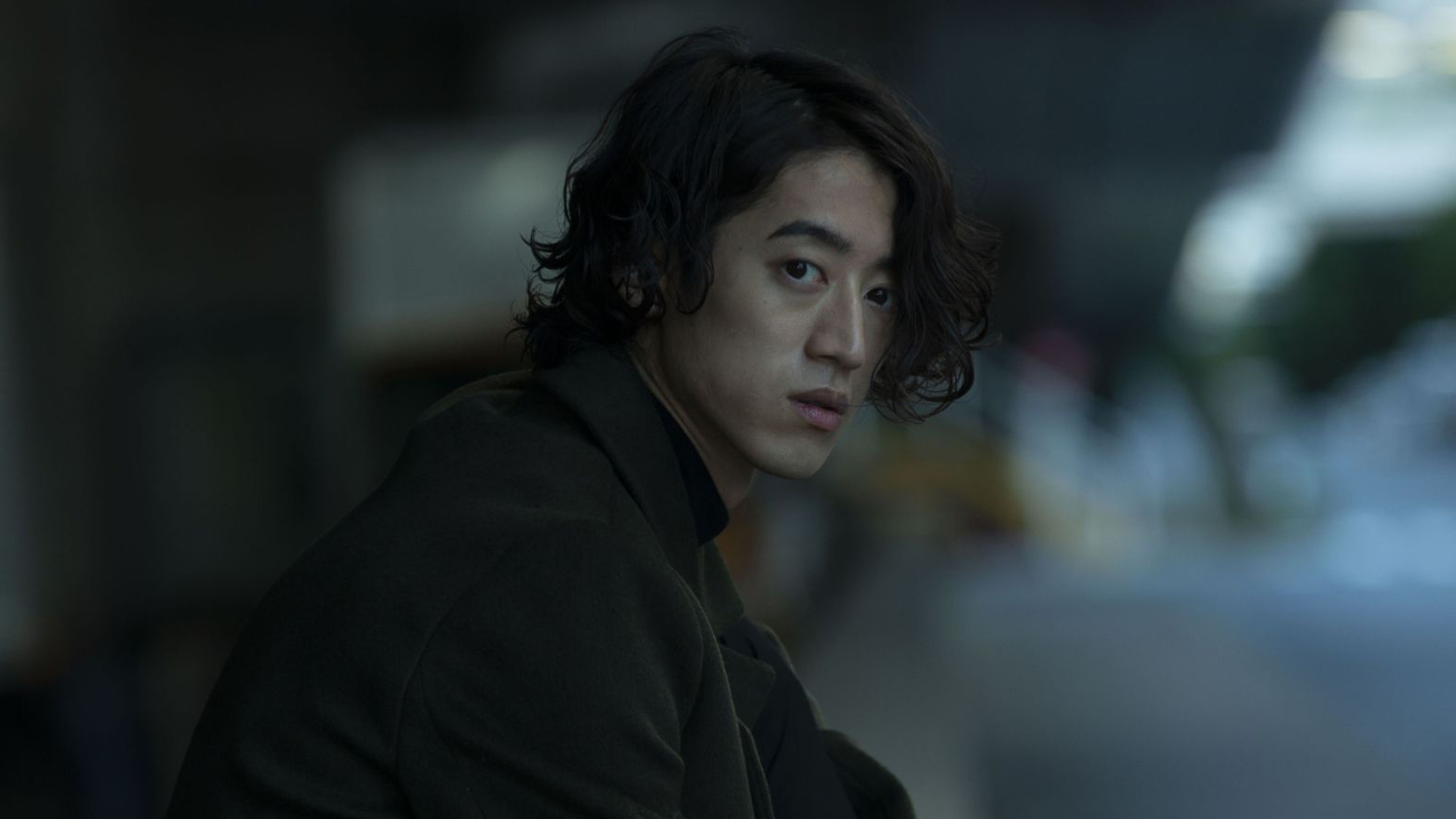
Japanese pianist Hayato Sumino (b. 1995) has gained an international following both on stage and online, where he reaches more than 2.2 million followers. He has performed with major orchestras including the NHK Symphony Orchestra, Tokyo Philharmonic Orchestra, Netherlands Radio Philharmonic Orchestra, Baltimore Symphony Orchestra and Chicago Symphony Orchestra. In 2024, he received the Leonard Bernstein Award of the Schleswig-Holstein Music Festival and two Opus Klassik Awards.
In November 2025, Sumino made history by giving the first piano recital at Yokohama’s K-Arena. With more than 18,000 tickets sold, the performance was recognised by Guinness World Records as the largest indoor piano recital ever held.
Recent highlights include his debut at the Beijing Music Festival performing Prokofiev’s Third Piano Concerto with the BBC Philharmonic under John Storgårds.
Helsinki Philharmonic Orchestra
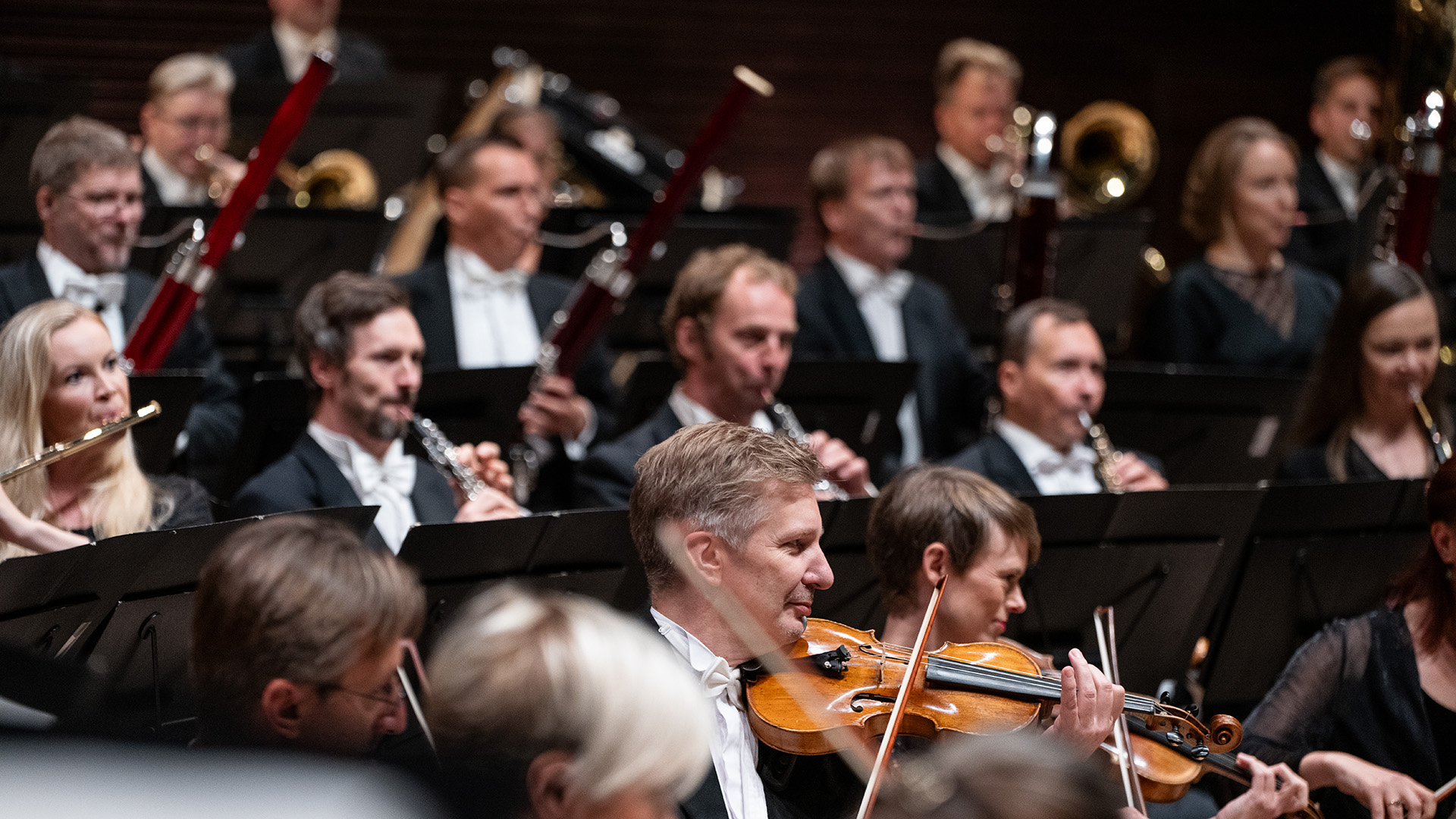
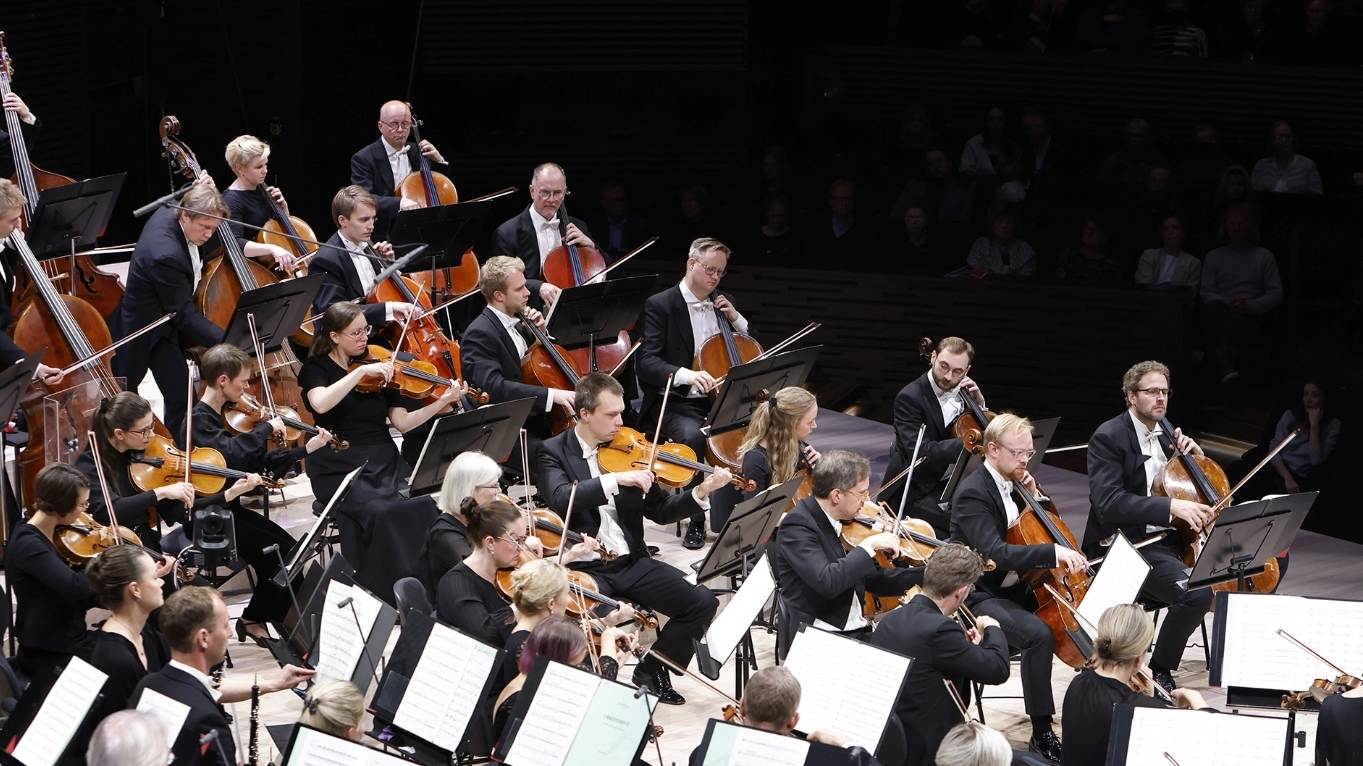
The principle of putting on regular concerts given by an orchestra of top musicians has remained right up to the present day in the over 140 years since the Helsinki Philharmonic Orchestra was formed. It premiered most of the symphonic works by Jean Sibelius with the composer himself conducting, and continues its commitment to contemporary music by commissioning works by composers both Finnish and foreign.
Now a band of 102 musicians, the Helsinki Philharmonic Orchestra annually performs to a total audience of over 100,000 and has become an important constituent of its host city’s cultural capital. The orchestra’s work also touches those who, for one reason or another, are unable to attend concerts at the Helsinki Music Centre. The orchestra performs in a variety of ensembles throughout Helsinki, provides performance opportunities for children and young people, and reaches special groups through its wide-ranging education and outreach activities. The orchestra’s HPO Kids program, launched in 2000, has expanded into Culture Kids, a city-wide cultural program for children across Helsinki.
Now a band of 102 musicians, the Helsinki Philharmonic Orchestra annually performs to a total audience of over 110,000.
In addition to its activities in Helsinki, the orchestra reaches international audiences through touring abroad and an active recording programme. The HKO Screen concerts, available online both as live streams and on-demand recordings, together with background interviews, bring viewers around the world closer to the creative process behind a musical work.
Jukka-Pekka Saraste has served as the chief conductor and artistic leader of the orchestra since 2023. During the seasons 2026–2028 the post of the principal guest conductor is filled by the orchestra itself, with concerts performed without a conductor and with programs planned by the musicians themselves.
- Sophie Heinrich
Pekka Kauppinen
Tami Pohjola
Eija Hartikainen
Katariina Jämsä
Maiju Kauppinen
Kati Kuusava
Elina Lehto
Ilkka Lehtonen
Jani Lehtonen
Kari Olamaa
Petri Päivärinne
Kalinka Pirinen
Elina Viitasaari
Anna Husgafvel
Tuuli Talvitie
Anna-Leena Haikola
Teija Kivinen
Kamran Omarli
Teppo Ali-Mattila
Eva Ballaz
Heini Eklund
Serguei Gonzalez Pavlova
Matilda Haavisto
Liam Mansfield
Jukka Pohjola
Siiri Rasta
Ángeles Salas Salas
David Seixas
Virpi Taskila
Torsten Tiebout
Atte Kilpeläinen
Lotta Poijärvi
Petteri Poijärvi
Aulikki Haahti-Turunen
Kaarina Ikonen
Tiila Kangas
Ulla Knuuttila
Maria Mangeloja
Carmen Moggach
Markus Sallinen
Hajnalka Standi-Pulakka
Tuomas Ylinen
Lauri Kankkunen
Beata Antikainen
Jaani Helander
Veli-Matti Iljin
Jaakko Rajamäki
Ilmo Saaristo
Saara Särkimäki
Pekka Smolander
Johannes Välja
Ville Väätäinen
Oskari Hänninen
Johane Gonzalez Seijas
Paul Aksman
Eero Ignatius
Tuomo Matero
Adrian Rigopulos
Pauli Pappinen
- Niamh McKenna
Elina Raijas
Päivi Korhonen
Jenny Villanen
Hannu Perttilä
Nils Rõõmussaar
Jussi Jaatinen
Paula Malmivaara
Samuel Buron-Mousseau
Asko Heiskanen
Hanna Hujanen
Heikki Nikula
- Markus Tuukkanen
Erkki Suomalainen
Mikko-Pekka Svala
Tuukka Vihtkari
- Ruben Buils Garcia
Ville Hiilivirta
Miska Miettunen
Mika Paajanen
Joonas Seppelin
Marian Strandenius
- Obin Meurin
Thomas Bugnot
Michael Olsen
Mika Tuomisalo
- Víctor Álvarez Alegría
Valtteri Malmivirta
Anu Fagerström
Jussi Vuorinen
Ilkka Marttila
- Tomi Wikström
- Mikael Sandström
Xavi Castelló Aràndiga
Pasi Suomalainen
- -
- -
- Mikko Aspinen
- Matti Tähkävuori
- Peetu Hänninen
More musical energy
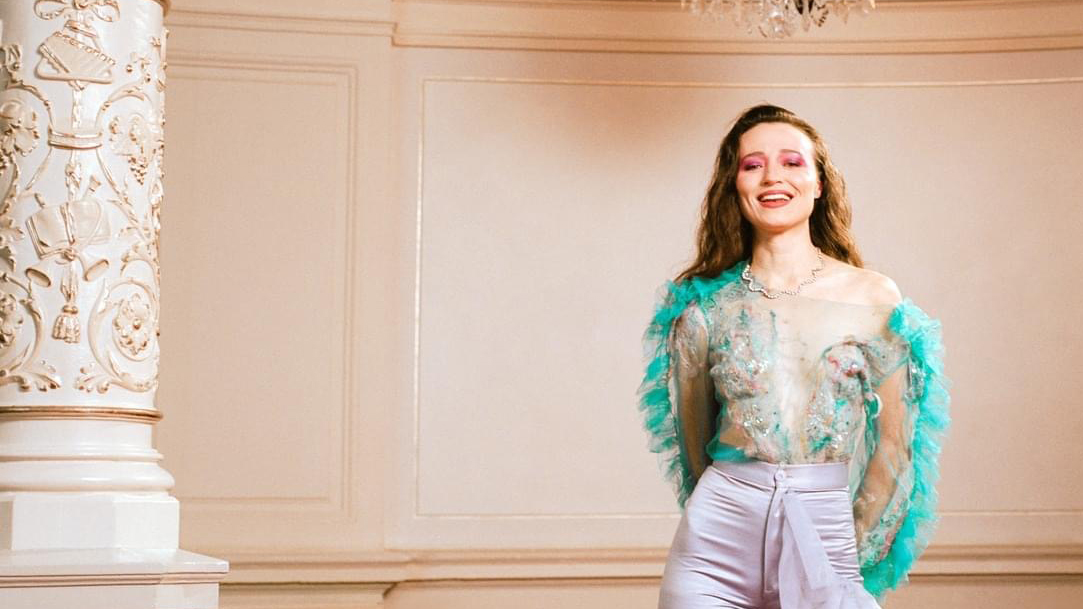
Mahler Chamber Orchestra
Thu 15/10/2026 klo 19
Next HKO screen #HKOSCREEN
Direct broadcast 30/09/2026 at 7PM
helsinginkaupunginorkesteri.fi | areena.yle.fi
Production
Programme notes
Translations
Artist bios
Fotos
Contact details
www.helsinginkaupunginorkesteri.fi
helsinki.philharmonic@hel.fi
Helsingin kaupunginorkesteri
Musiikkitalo, Mannerheimintie 13 A, Helsinki
PL 10403, 00099 Helsingin kaupunki